Spacecraft Systems
Comprehensive spacecraft subsystem portfolio with 62+ flight-proven products across 4 integrated categories: onboard electronics, precision propulsion, attitude sensors, and control mechanisms. Complete end-to-end solutions for microsatellite and nanosatellite missions
62 products · 5 featured
Overview
The Spacecraft Systems category encompasses a complete, integrated product ecosystem for micro and nano satellite applications. This comprehensive suite includes all essential subsystems required for satellite operation: advanced onboard electronics for computing and data management, precision propulsion systems for orbit and attitude control, sophisticated sensors for attitude determination, and precision mechanisms for spacecraft actuation.
All products in this category are designed to work together as a cohesive system, with proven flight heritage and demonstrated reliability in demanding space environments.
Product Categories
Electronics (18 products)
Onboard Computing & Data Management
Advanced radiation-hardened processors, memory systems, and bus controllers designed for spacecraft control applications. Includes the SoC2008, SoC2012, and SoC2016 series processors, along with universal onboard computer modules and specialized signal processing units.
Key Features:
- Radiation-hardened design (300 krad tolerance)
- Low power consumption
- High integration density
- Proven flight heritage since 2012
Propulsion (21 products)
Orbit & Attitude Control Systems
Complete propulsion solutions ranging from micro-thrusters to integrated propulsion modules. Includes cold-gas systems, monopropellant thrusters, and advanced micro-propulsion technologies for precise spacecraft maneuvering.
Key Features:
- Multiple thrust levels (0.2N to 15mN)
- Non-toxic propellant options
- Compact, lightweight design
- Precise impulse control
Sensors (11 products)
Attitude Determination & Navigation
Precision sensors for spacecraft attitude determination, including star sensors, sun sensors, and earth sensors. These sensors provide the critical feedback needed for accurate spacecraft orientation and control.
Key Features:
- High accuracy attitude determination
- Multiple sensor types for redundancy
- Compact form factors
- Proven space qualification
Mechanisms (12 products)
Attitude Control & Actuation
Precision mechanisms for spacecraft attitude control, including reaction wheels, magnetic torquers, and drive mechanisms for solar arrays and antennas. These components provide the actuation capability for spacecraft maneuvering and stabilization.
Key Features:
- High torque/momentum capacity
- Precise control authority
- Long operational lifetime
- Integrated control electronics
Frequently Asked Questions
What is a complete spacecraft system?
A complete spacecraft system integrates all subsystems required for satellite operation: electronics for computing and control, propulsion for orbit and attitude maneuvering, sensors for attitude determination, and mechanisms for actuation. Our product line provides all these components designed to work together seamlessly.
How do I choose the right components for my mission?
Consider your mission requirements including orbital altitude, mission duration, attitude control accuracy, and power budget. Our product specialists can help you select the optimal combination of components for your specific application.
Are all products in this series compatible with each other?
Yes, all products in the Spacecraft Systems category are designed with compatibility in mind. They share common interfaces, communication protocols, and power requirements, enabling straightforward system integration.
What is the typical development timeline for a spacecraft using these components?
With our proven, flight-qualified components, typical development timelines are 18-24 months from design to launch, depending on mission complexity and regulatory requirements.
What support is available for system integration?
We provide comprehensive technical documentation, integration guides, and engineering support to ensure successful system implementation. Our team has extensive experience with spacecraft system integration and can provide consultation throughout your development process.
System Integration Benefits
- Proven Compatibility: All components designed to work together
- Reduced Development Risk: Flight-qualified components with proven heritage
- Streamlined Integration: Common interfaces and protocols
- Comprehensive Support: Full technical documentation and engineering support
- Cost Optimization: Integrated system approach reduces overall mission cost
Technical Specifications Overview
| Subsystem | Key Metrics | Performance |
|---|---|---|
| Electronics | Processing Power | 300 to over 1000 MIPS |
| Electronics | Radiation Tolerance | 300 krad (Si), SoC2012 |
| Propulsion | Thrust Range | sub-mN to 1 N |
| Propulsion | Specific Impulse | 190–245 s |
| Sensors | Attitude Accuracy | 3″–30″ (3σ), star sensors |
| Mechanisms | Momentum Capacity | 0.12–4 N·m·s |
Applications
- Microsatellite Constellations: Earth observation, communication networks
- Scientific Missions: Research and technology demonstration
- Technology Validation: In-orbit testing and verification
- Commercial Operations: Operational satellite systems
- Government Missions: Defense and security applications
Related Resources
Last Updated: 2025-10-16
Total Products: 62
Flight Heritage: Since 2012
Available products
62 products in Spacecraft Systems
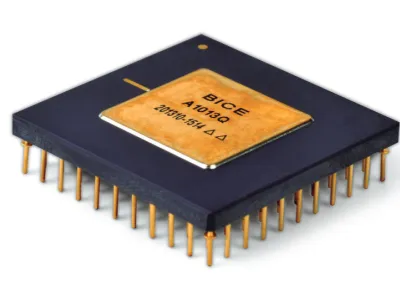
A1013Q Universal Four-Port Chip
- Process Technology
- 0.13 μm
- Dimensions (mm)
- 28 × 28 × 7
- Weight (g)
- 12
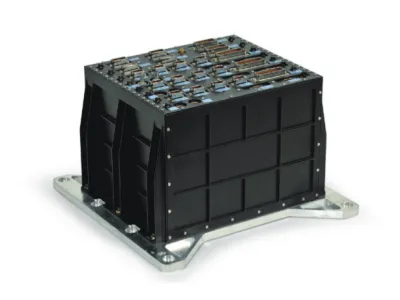
Microsatellite Integrated Electronics
- Model
- C-ICDE-DMR/C-2
- Technology
- SiP / SoC
- Flight Record
- First flight in 2019
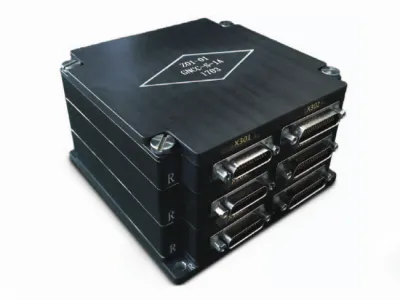
NASSAT Computer
- Model
- C-GNCC-S-1
- Technology
- SiP / SoC
- Flight Record
- First flight in 2015
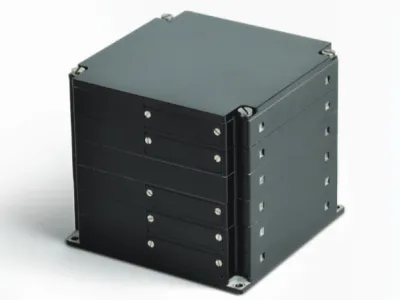
NASSAT Dual-Module Computer
- Model
- C-GNCC-DMR/C-7
- Technology
- SiP / SoC
- Flight Record
- First flight in 2018
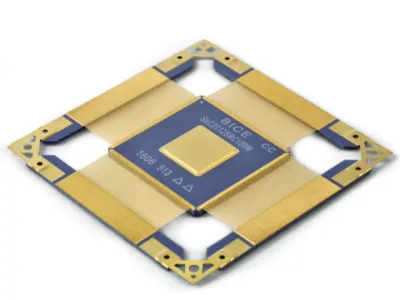
Quad-Core SoC2012 32-bit Space Application On-Chip System
- Process Technology
- 0.13 μm
- Dimensions (mm)
- 37 × 37 × 3
- Weight (g)
- 12
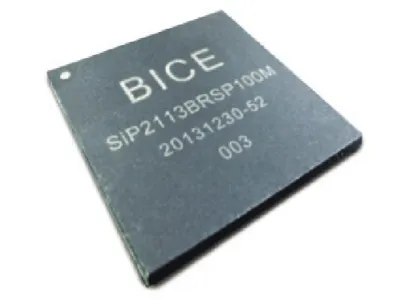
SiP2113 Universal Onboard Computer Module
- Function
- Computing module functionality
- Packaging Technology
- Bare-die based packaging
- Dimensions (mm)
- 35 × 35 × 2
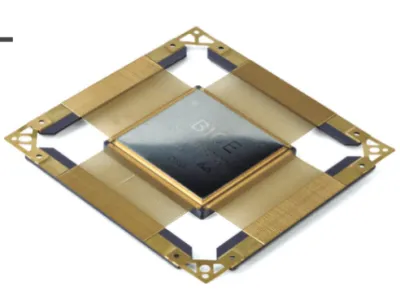
SiP2115 Universal Onboard Computer Module
- Function
- Computing module functionality
- Packaging Technology
- Bare-die based packaging
- Dimensions (mm)
- 37 × 37 × 5
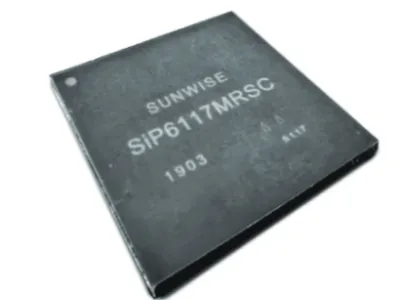
SiP6117M Programmable Signal Processing Module
- Function
- Programmable signal processing SiP
- Packaging Technology
- Bare-die based packaging
- Dimensions (mm)
- 22 × 22 × 2
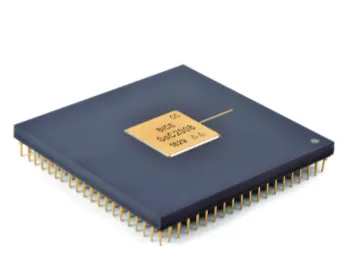
SoC2008 32-bit Space Application On-Chip System
Advanced spacecraft component for satellite systems.
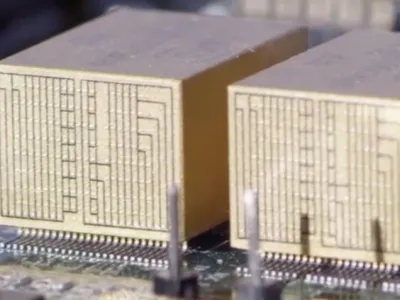
SoC2016 32-bit Space Application On-Chip System
- Process Technology
- 0.13 μm
- Dimensions (mm)
- 41 × 41 × 10
- Weight (g)
- 12
SpaceOS Embedded Real-Time Operating System
- Scheduling Algorithm
- Priority-based fixed preemptive scheduling with time-slice round-robin support for tasks of the same priority
- Supported CPU Architectures
- SPARC and ARM
- Supported Number of Tasks
- Unlimited
The Core Components of the Micro-Satellite Controller
A series of highly integrated and miniaturized electronic system chips have been developed for micro- and nanosatellite control applications. These include the SoC2008 32-bit onboard application system chip, which has already been widely adopted in satellite electronic systems, and the SoC2012 32-bit onboard application system chip, designed for general onboard computing and attitude control with radiation tolerance up to 300 krad and a processing performance of 300 MIPS @ 100 MHz. The series also includes SoC2016 (LEON4 + DSP), SiP2113 general-purpose onboard computer module, and SiP2214 general-purpose onboard computing module with integrated data management functions. The SiP2115 general-purpose onboard computing module incorporates the A1013Q chip and serves as a typical onboard computer module for micro- and nanosatellites.
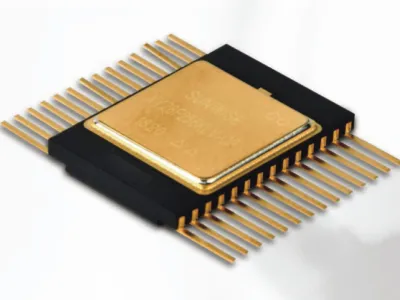
XY28F256KLV (3.3V) 32K×8bit Anti-Radiation PROM
- Process Technology
- 0.13 μm
- Dimensions (mm)
- 17.8 × 12.5 × 2.5
- Weight (g)
- 2.1
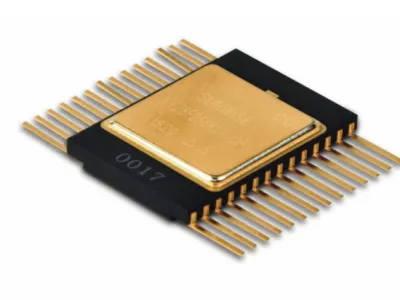
XY28F256KV (5V) 32K×8bit Anti-Radiation PROM
- Process Technology
- 0.13 μm
- Dimensions (mm)
- 17.8 × 12.5 × 2.5
- Weight (g)
- 2.1
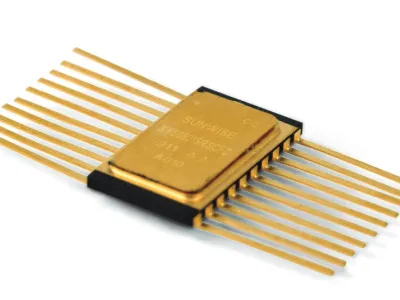
XY50601 Radiation-Resistant Synchronous Rectifier Buck Switching Power Chip
- Function
- Switching Power Supply
- Process Technology
- 0.18 μm
- Dimensions (mm)
- 12.7 × 7.4 × 2.2
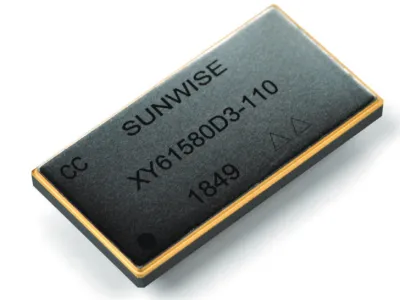
XY61580 Radiation-Resistant 1553B Bus Controller
- Process Technology
- 0.5 μm
- Dimensions (mm)
- 48 × 26
- Weight (g)
- < 15
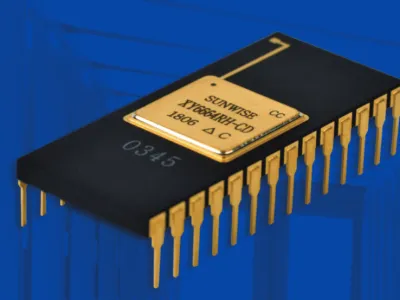
XY6664RH Radiation-Resistant 8K×8bit PROM
- Process Technology
- 0.18 μm
- Dimensions (mm)
- 35.5 × 15.5 × 3
- Weight (g)
- 4.7
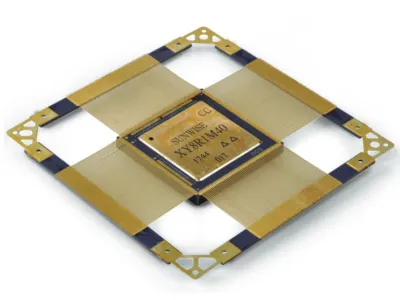
XY8R512K40/1M40 20M/40Mb Anti-Radiation SRAM
- Process Technology
- 0.13 μm
- Dimensions (mm)
- 29 × 29 × 3
- Capacity
- 512 K / 1 M × 40 bit
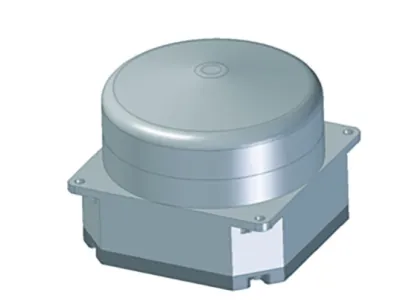
090 Digital Reaction Wheel
- Model
- C-SRWMI-090-0.1A
- Rated Momentum
- 0.12 N·m·s
- Flight Heritage
- First flight in 2016
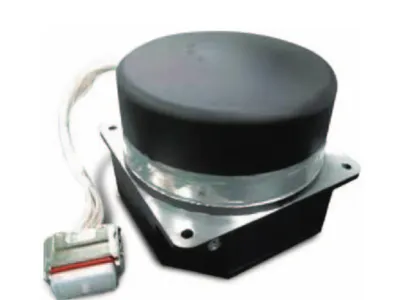
130 Standard Reaction Wheel
- Model
- C-GRWMI-130-0.5A
- Rated Momentum
- 0.5 N·m·s
- Flight Heritage
- First flight in 2012
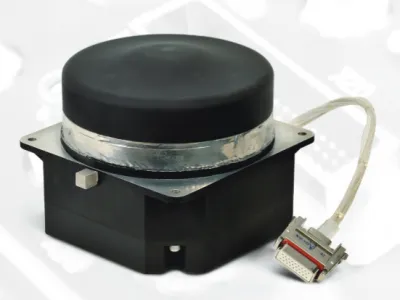
160 Digital Reaction Wheel
- Model
- C-SRWMI-160-4A
- Rated Momentum
- 4 N·m·s
- Flight Heritage
- First flight in 2015
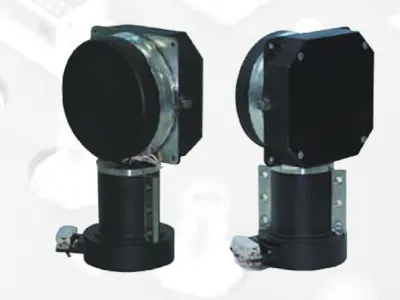
5 N·m·s Variable-Speed Control Moment Gyroscope (VSCMG)
- Model
- C-CMG-5/5-A
- Rated Momentum
- 0.5 N·m·s
- Flight Heritage
- First flight in 2012
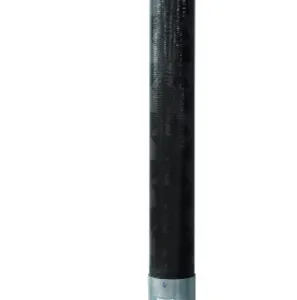
Extended-Arm Dual-Axis Solar Array Drive Mechanism
- Model
- C-SADM-3-3B
- Output Torque
- ≥ 10 N·m
- Flight Heritage
- 2019
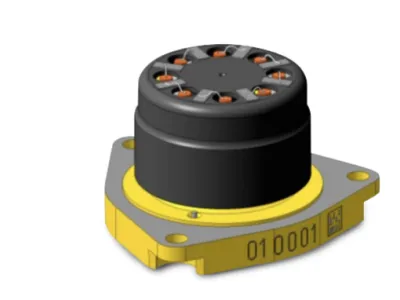
Metal Coriolis Vibratory Gyroscope (CVG)
- Dimensions (mm)
- B110 × L110 × H90
- Weight (g)
- 1000
- Power Consumption
- ≤ 6 W
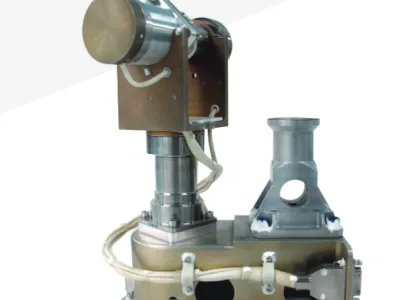
Micro Dual-Axis Antenna Drive Mechanism
- Model
- C-GDAM/A-11-3A
- Output Torque
- > 3 N·m
- Flight Heritage
- 2019
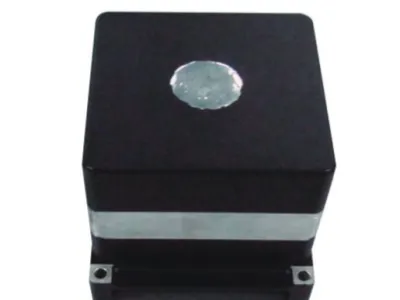
Micro Flywheel Combination
- Model
- C-AOFW-3-1A
- Rated Momentum
- 60 mN·m·s
- Flight Heritage
- Completed in 2017
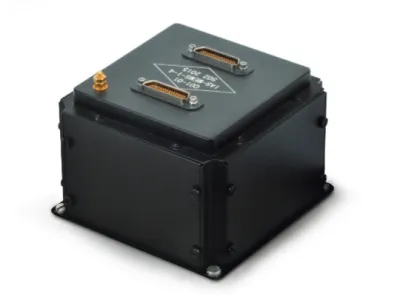
Micro Inertial Attitude Sensor
- Model
- C-IAS-M-EMS-4
- Measurement Accuracy
- < 3.3°/h
- Flight Heritage
- First flight in 2015
Micro Integrated Electromechanical Solar Array Drive Mechanism
- Model
- C-SADM-4-2A
- Transmission Power
- ≥ 1 kW
- Flight Heritage
- Prototype stage
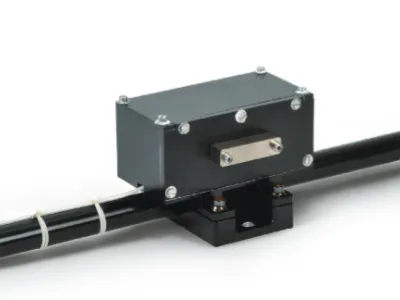
Micro Magnetic Torquer
- Model
- C-GMAT-0.5 / C-GMAT-1 / C-GMAT-10 / CGMAT(I)-10
- Magnetic Moment
- 0.5 A·m² / 1 A·m² / 10 A·m²
- Flight Heritage
- 2015–2019 (multiple flight missions)
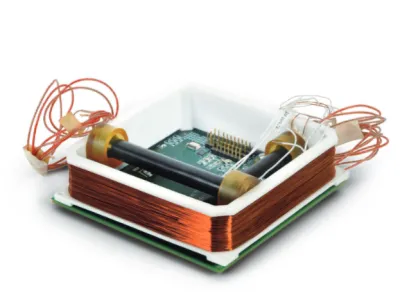
Micro-Nano Flywheel and Magnetic Torquer Assembly
- Model
- C-AOWM-3-3-1A
- Rated Torque
- 0.4 mN·m·s
- Flight Heritage
- Completed in 2015
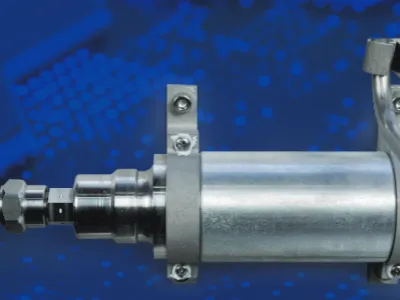
0.1 MPa Micro Pressure Sensor
- Dimensions (mm)
- 22 × 22 × 56
- Mass (g)
- ≤ 50
- Mounting Material
- 1Cr18Ni9Ti
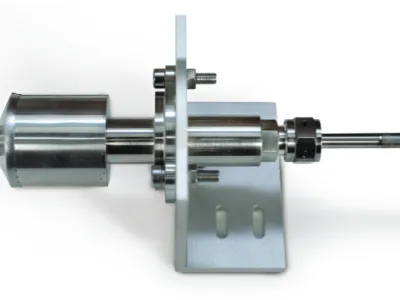
0.2 N Single-Component Thruster Assembly
- Dimensions (mm)
- Φ48 × 92
- Mass (g)
- 175 ± 10
- Propellant
- Hydrazine
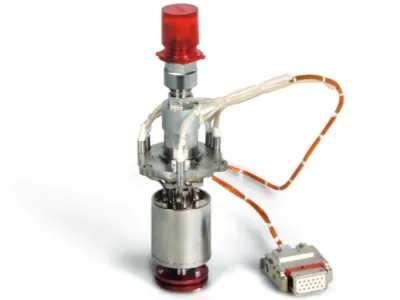
1 N Single-Component Thruster Assembly
- Dimensions (mm)
- Φ58 × 128
- Mass (g)
- 300 ± 20
- Propellant
- Hydrazine
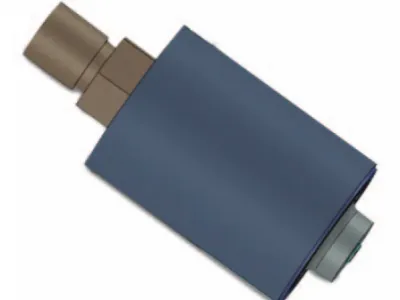
1 to 15 mN Electromagnetic Ratio Cold-Gas Thruster
- Dimensions (mm)
- Φ21 × Φ21 × 48
- Mass (g)
- ≤ 40
- Mounting Material
- 1Cr18Ni9Ti
2 MPa Micro Pressure Sensor
- Dimensions (mm)
- 26 × 26 × 62
- Mass (g)
- 60
- Mounting Material
- 316L
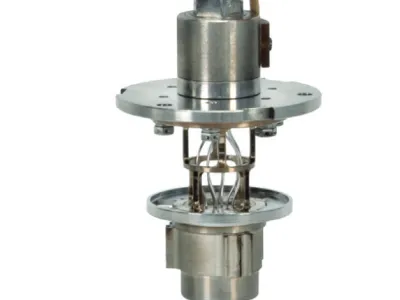
ADN-Based Non-Toxic Thruster Series
The ADN-Based Non-Toxic Thruster Series includes thrusters ranging from 0.2 N to 20 N, designed to provide high-performance and environmentally friendly propulsion solutions. Two ADN-based monopropellant formulations were developed: a medium-energy propellant with a theoretical specific impulse of approximately 220 s, and a high-energy propellant reaching up to 245 s. Catalyst optimization further enhances combustion efficiency and propellant compatibility.
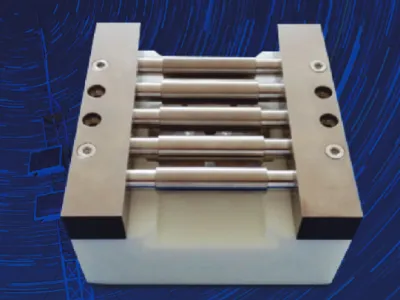
ADN-Based Single-Component Micro-Propulsion Module
- Dimensions (mm)
- 110 × 100 × 94
- Mass (g)
- 1300
- Total Impulse
- 800 N·s
Butane Micropropulsion Module
- Dimensions (mm)
- 100 × 100 × 100
- Mass (g)
- 900
- Total Impulse
- 200 N·s
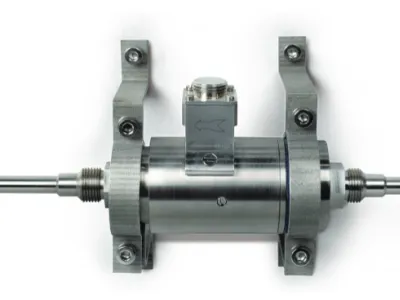
C-GLV-3 Self-Locking Valve
- Dimensions (mm)
- Φ31 × 174 × 53
- Mass (g)
- 350 ± 10
- Design Life
- 8 years
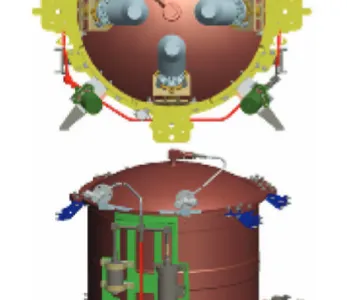
Integrated Propulsion Structure Module
- Dimensions (mm)
- 350 × 386 × 490
- Dry Mass (kg)
- 7.1
- Propellant
- HAN-Based Green Propellant
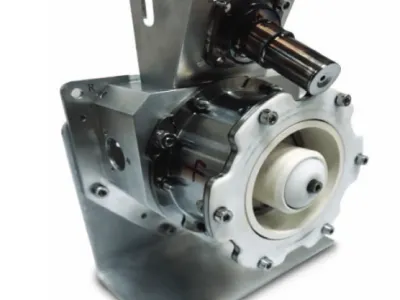
Low-Power Hall Thruster
- power_et_h300_1
- 300 W
- power_et_h600_1
- 600 W
- dimensions_et_h300_1
- 144 × 114 × 91 mm
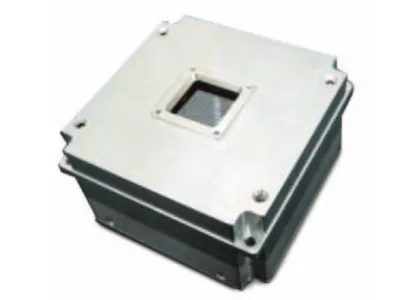
MEMS Solid Micro-Thruster Array
- Dimensions (mm)
- 70 × 70 × 30
- Mass (g)
- 200
- Impulse Range
- 10⁵–10⁶ N·s
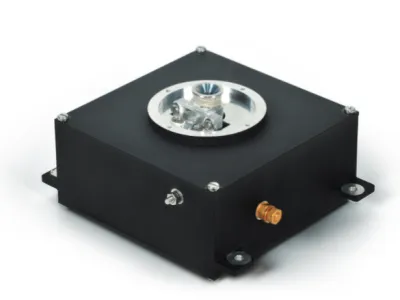
Micro Cathode Arc Propulsion Module
- Dimensions (mm)
- 100 × 100 × 40
- Mass (g)
- 600 ± 50
- Propellant
- Titanium / Tungsten
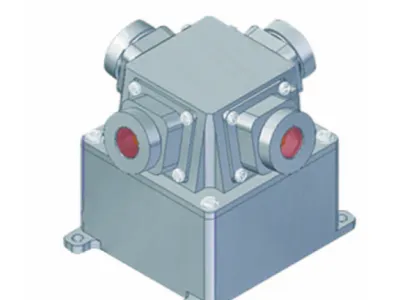
Micro-Nano Satellite Position Control Integrated Module
- Dimensions (mm)
- 280 × 250 × 400
- Dry Mass (kg)
- 1.8
- Propellant
- HAN-Based Green Propellant
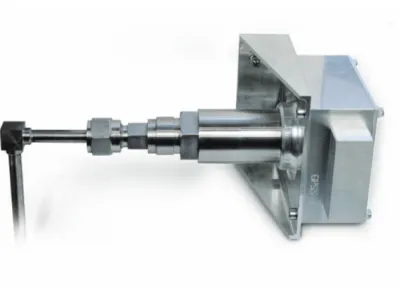
Micro-Newton Variable Thrust Module
- Dimensions (mm)
- 205 × 80 × 80
- Mass (kg)
- ≤ 0.4
- Mounting Material
- TC4 (Titanium Alloy)
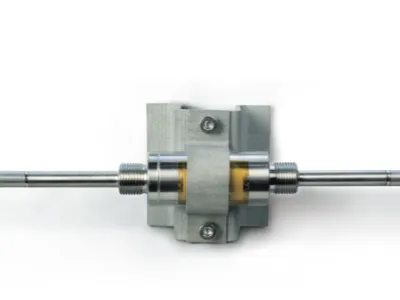
Single-Component 30 μm Mesh Filter
- Dimensions (mm)
- 130 × 20 × 20
- Mounting Material
- 316L Stainless Steel
- Operating Temperature (°C)
- +5 to +60
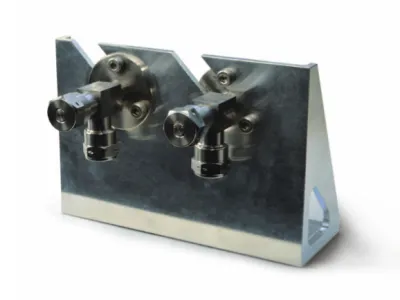
Single-Set Element Gas/Liquid-Filling Valve
- Dimensions (mm)
- 90 × 32 × 42 (C-GFDV–1/2) / 71 × 32 × 42 (C-GFDV–1A/2A)
- Mounting Material
- 316L Stainless Steel
- Operating Temperature (°C)
- +5 to +60
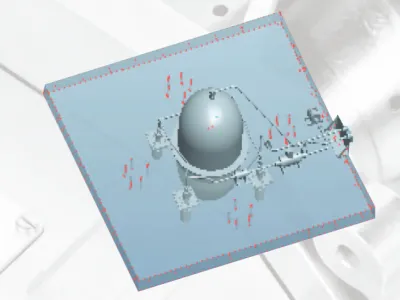
Small Satellite Positional Orbit Control Propulsion Module
- Dry Mass (kg)
- 5.7
- Propellant
- HAN / ADN
- Operating Temperature (°C)
- 0–50
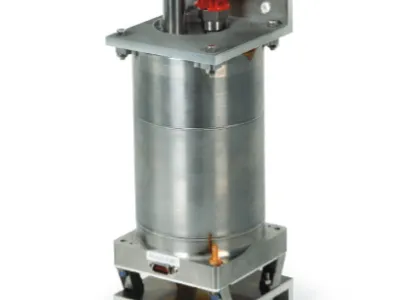
Solid Cold-Gas Micropropulsion Module
- Dimensions (mm)
- 96 × 96 × 98
- Mass (g)
- 1200
- Total Impulse
- 80 N·s
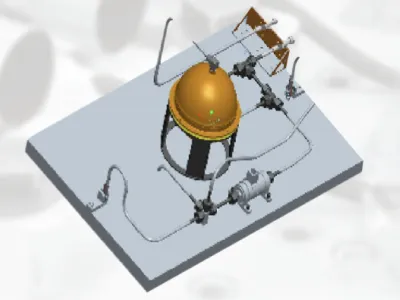
Tiny Satellite Position-Controlled Propulsion Module
- Dimensions (mm)
- 600 × 400 × 400
- Dry Mass (kg)
- 3.6
- Propellant
- ADN
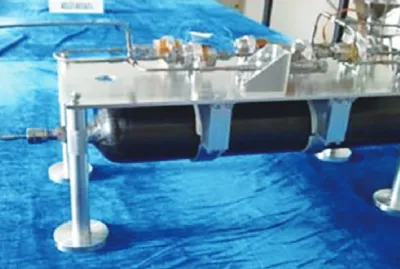
Tiny Ultra-High-Pressure Cold-Gas Propulsion System
- Dimensions (mm)
- 190 × 430 × 190
- System Mass (kg)
- ≤ 2
- Total Impulse
- > 700 N·s
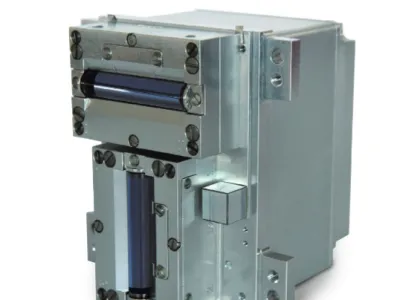
Commercial Integrated Digital Solar Sensor
- Model
- C-SS-APS-Img/P-2
- Measurement Accuracy
- ≤ 0.05° (3σ)
- Flight Heritage
- Completed qualification
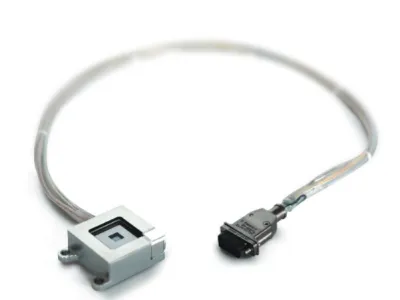
Dual-Axis Micro Analog Solar Sensor
- Model
- C-SS-SiC-Ana/B-2B
- Measurement Accuracy
- < 0.5°
- Flight Heritage
- First flight in 2015
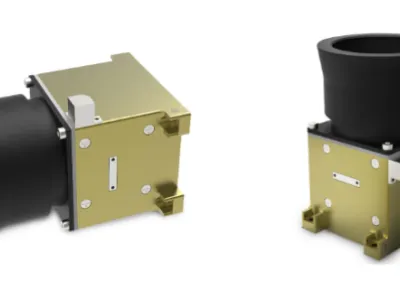
High-Dynamic Nano Star Sensor
- Dimensions (mm)
- 50 × 50 × 89.4
- Weight (g)
- 260
- Mounting Material
- 2A12 T4
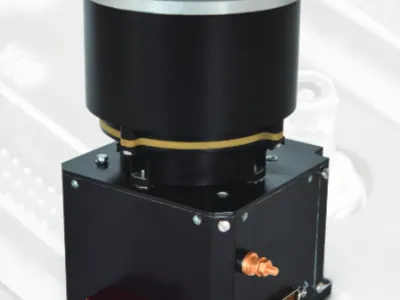
Long-Life Micro Star Sensor
- Model
- C-ST-HA-APS7-1
- Measurement Accuracy
- 5″ (3σ)
- Flight Heritage
- Completed qualification
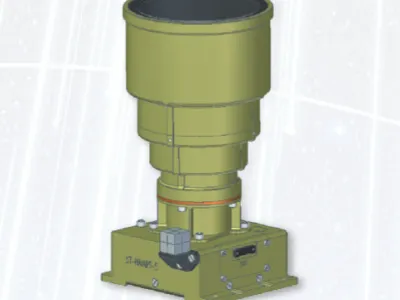
Long-Life Nano Star Sensor
- Model
- C-ST-MA-ASP1-1D
- Measurement Accuracy
- 5″ (3σ)
- Flight Heritage
- Completed qualification
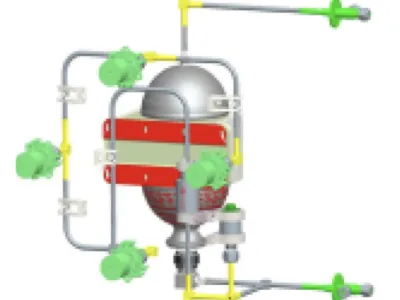
Micro-Nano Earth Sensor
- Model
- C-IRES-LAS-4
- Measurement Accuracy
- 0.2° (3σ)
- Flight Heritage
- Completed qualification
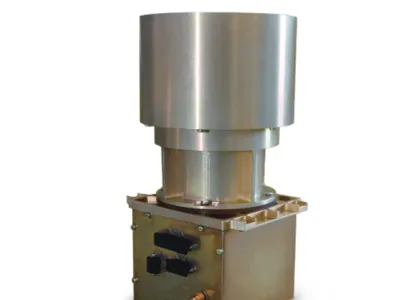
Micro Star Sensor
- Model
- C-ST-MA-APS4-1
- Measurement Accuracy
- 3″ (3σ)
- Flight Heritage
- First flight in 2016
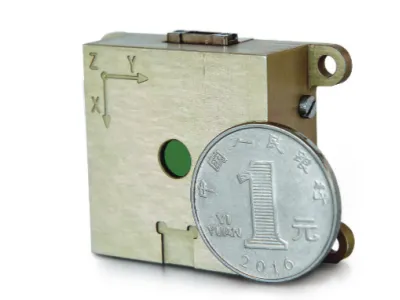
Monolithic Solar Sensor
- Model
- C-SS-SiC-ANA/B-2B
- Measurement Accuracy
- 0.05° (3σ)
- Flight Heritage
- Completed qualification
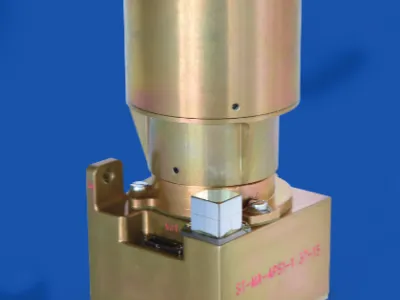
Nano Star Sensor
- Model
- C-ST-MA-APS1-1A
- Measurement Accuracy
- 10″
- Flight Heritage
- First flight in 2017
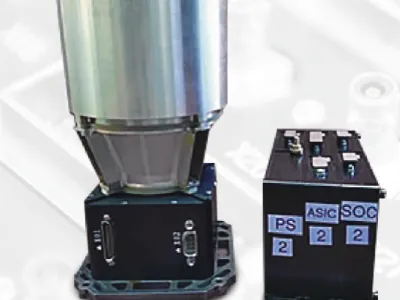
Split-Type Micro Star Sensor
- Model
- C-ST-HA-APS6-1
- Measurement Accuracy
- 3″ (3σ)
- Flight Heritage
- Completed qualification
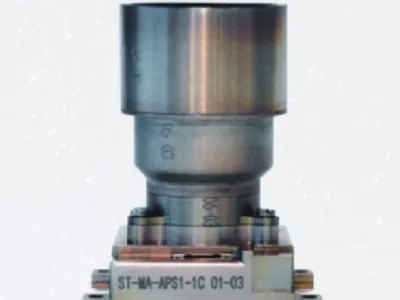
Ultra-Compact Star Sensor
- Measurement accuracy
- 30″ (3σ)
- Data update rate
- 5 Hz
- Dynamic performance
- 1°/s
Compare variants
Side-by-side specifications for variants in this category. Values are taken directly from each product's datasheet.
| Parameter | 090 Digital Reaction Wheel | 130 Standard Reaction Wheel | 160 Digital Reaction Wheel |
|---|---|---|---|
| Model | C-SRWMI-090-0.1A | C-GRWMI-130-0.5A | C-SRWMI-160-4A |
| Rated Momentum | 0.12 N·m·s | 0.5 N·m·s | 4 N·m·s |
| Flight Heritage | First flight in 2016 | First flight in 2012 | First flight in 2015 |
| Application | Microsatellite | Micro/Nanosatellite | Microsatellite |
| Dimensions (mm) | 101 × 101 × 82 | 135 × 135 × 110 | 160 × 160 × 135 |
| Operating Temperature (°C) | −5 to +45 | −5 to +45 | −5 to +45 |
| Storage Temperature (°C) | −10 to +50 | −10 to +50 | −10 to +50 |
| Communication Interface | RS-422 or CAN | Analog Interface | RS-422 or CAN |
| Weight (kg) | — | 2.1 ± 0.3 | ≤ 3.8 |
| Parameter | Micro Star Sensor | Nano Star Sensor | Long-Life Micro Star Sensor | Long-Life Nano Star Sensor | Split-Type Micro Star Sensor | High-Dynamic Nano Star Sensor |
|---|---|---|---|---|---|---|
| Model | C-ST-MA-APS4-1 | C-ST-MA-APS1-1A | C-ST-HA-APS7-1 | C-ST-MA-ASP1-1D | C-ST-HA-APS6-1 | — |
| Measurement Accuracy | 3″ (3σ) | 10″ | 5″ (3σ) | 5″ (3σ) | 3″ (3σ) | — |
| Flight Heritage | First flight in 2016 | First flight in 2017 | Completed qualification | Completed qualification | Completed qualification | — |
| Application | Micro and nanosatellites | Micro and nanosatellites | Commercial satellite constellations | Medium Earth Orbit satellites | High-precision remote sensing and mapping satellites | — |
| Dimensions (mm) | 86 × 85 × 208 | 40 × 42 × 86 | 100 × 100 × 132 | 56 × 56 × 150 | 110 × 110 × 195 (Head); 140 × 66 × 80 (Electronics) | 50 × 50 × 89.4 |
| Weight (g) | 900 | 108 | 480 | 150 | 830 (Head); 700 (Electronics, RS-422); 900 (Electronics, 1553B) | 260 |
| Mounting Material | 2A12 T4 | 2A12-H112 | 2A12 T4 | 2A12-H112 | 2A12 T4 | 2A12 T4 |
| Communication Interface | RS-422 | CAN / RS-422 / I²C | RS-422 | CAN / RS-422 / I²C | RS-422 / 1553B | RS-422 / CAN |
| Storage Temperature (°C) | −20 to +50 | −35 to +55 | −25 to +55 | −35 to +55 | −25 to +55 | −35 to +60 |
| Operating Temperature (°C) | −25 to +55 | −30 to +45 | −20 to +50 | −30 to +45 | −20 to +50 | −30 to +50 |
| Design Life | 5 years | — | 15 years | 5 years | 8 years | — |
| Parameter | XY28F256KLV (3.3V) 32K×8bit Anti-Radiation PROM | XY28F256KV (5V) 32K×8bit Anti-Radiation PROM |
|---|---|---|
| Process Technology | 0.13 μm | 0.13 μm |
| Dimensions (mm) | 17.8 × 12.5 × 2.5 | 17.8 × 12.5 × 2.5 |
| Weight (g) | 2.1 | 2.1 |
| Operating Temperature (°C) | −55 to +125 | −55 to +125 |
| Storage Temperature (°C) | −65 to +150 | −65 to +150 |
| Package Type | CFP28 | CFP28 |
| Quality Grade | CAST C | CAST C |
| Parameter | Quad-Core SoC2012 32-bit Space Application On-Chip System | SoC2016 32-bit Space Application On-Chip System |
|---|---|---|
| Process Technology | 0.13 μm | 0.13 μm |
| Dimensions (mm) | 37 × 37 × 3 | 41 × 41 × 10 |
| Weight (g) | 12 | 12 |
| Operating Temperature (°C) | −55 to +125 | −55 to +125 |
| Storage Temperature (°C) | −65 to +150 | −65 to +150 |
| Communication Interface | 1553B / RS-422 | SpaceWire / 1553B / CAN / RS-422 |
| Package Type | CQFP256 | CCGA1153 |
| Quality Grade | CAST C | CAST C |
| Parameter | SiP2113 Universal Onboard Computer Module | SiP2115 Universal Onboard Computer Module |
|---|---|---|
| Function | Computing module functionality | Computing module functionality |
| Packaging Technology | Bare-die based packaging | Bare-die based packaging |
| Dimensions (mm) | 35 × 35 × 2 | 37 × 37 × 5 |
| Weight (g) | 7 | 23 |
| Operating Temperature (°C) | −55 to +125 | −55 to +125 |
| Storage Temperature (°C) | −65 to +150 | −65 to +150 |
| Communication Interface | 1553B / RS-422 | 1553B / RS-422 |
| Package Type | BGA337 plastic package | CQFP256 ceramic package |
| Quality Grade | CAST C | CAST C |
| Parameter | 0.2 N Single-Component Thruster Assembly | 1 N Single-Component Thruster Assembly |
|---|---|---|
| Dimensions (mm) | Φ48 × 92 | Φ58 × 128 |
| Mass (g) | 175 ± 10 | 300 ± 20 |
| Propellant | Hydrazine | Hydrazine |
| Specific Impulse | 190 s | 200 s |
| Design Life | 5 years | 15 years |
| Valve Drive Voltage | 28 ± 3 V DC | 28 ± 3 V DC |
| Parameter | 0.1 MPa Micro Pressure Sensor | 2 MPa Micro Pressure Sensor |
|---|---|---|
| Dimensions (mm) | 22 × 22 × 56 | 26 × 26 × 62 |
| Mass (g) | ≤ 50 | 60 |
| Mounting Material | 1Cr18Ni9Ti | 316L |
| Operating Temperature (°C) | −20 to +50 | −20 to +50 |
| Storage Temperature (°C) | −30 to +55 | −40 to +125 |
| Communication Interface | Y4–4ZJLM | Y4–4ZJLM |