Visual Overview
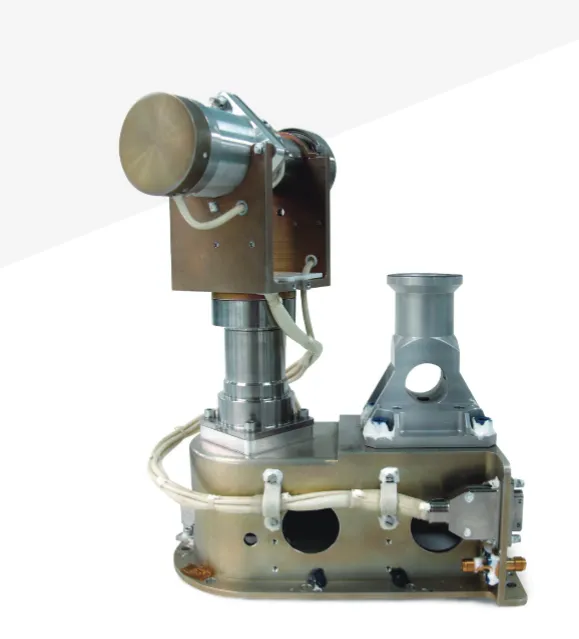
Technical Details
Comprehensive specifications and technical information
Quick Overview
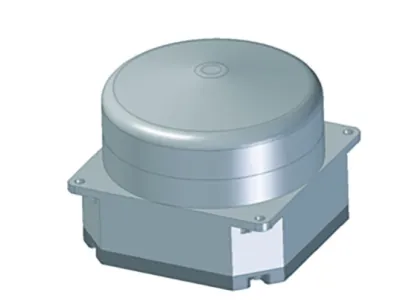
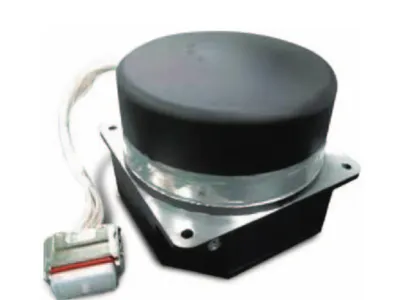
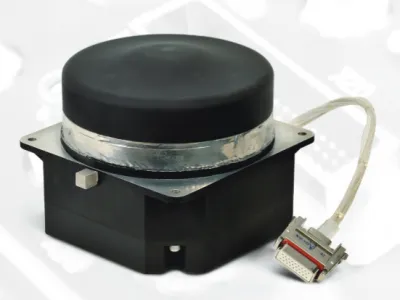
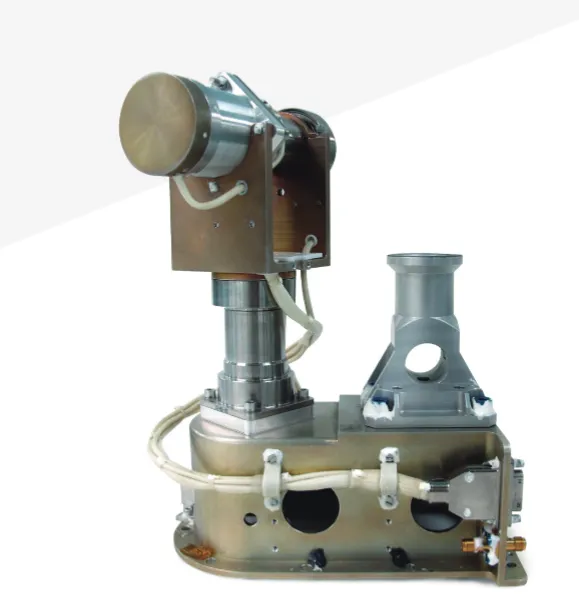
The CE-5 series micro dual-axis antenna drive mechanism is designed to control antenna orientation for ground communication and data transmission.
Key Specifications
| Parameter | Value |
|---|---|
| Model | C-GDAM/A-11-3A |
| Output Torque | > 3 N·m |
| Flight Heritage | 2019 |
| Application | Microsatellite |
| Dimensions (mm) | 186 × 133 × 215 |
| Weight (g) | 1300 |
| Mounting Material | 2A12 |
| Operating Temperature (°C) | −30 to +120 |
| Storage Temperature (°C) | −160 to +120 |
Key Features
- Ultra-low temperature resistance technology.
- Lightweight and compact design.
- High torque-to-volume ratio.
- Space-grade dust protection technology.
Applications
- Used for dual-axis antenna pointing and tracking on microsatellite platforms, ensuring stable ground communication and scientific data transmission.
Documentation & Resources
Frequently Asked Questions
Common questions about Micro Dual-Axis Antenna Drive Mechanism
What output torque does this antenna drive mechanism provide?
The model C-GDAM/A-11-3A provides an output torque of more than 3 N·m for dual-axis antenna pointing and tracking.
What temperature range can the mechanism withstand?
It operates from −30 to +120°C and can be stored across an extreme −160 to +120°C range using ultra-low-temperature resistance technology.
What are the mechanism dimensions and weight?
The unit measures 186 × 133 × 215 mm and weighs about 1300 g on a 2A12 mounting.
How does it protect against the space environment?
It uses space-grade dust protection technology to keep dual-axis pointing stable during ground communication and data transmission.
Does the mechanism have flight heritage?
Yes. It has flight heritage from 2019 on microsatellite platforms.