Product Gallery
Visual Overview
Specifications
Technical Details
Comprehensive specifications and technical information
Quick Overview
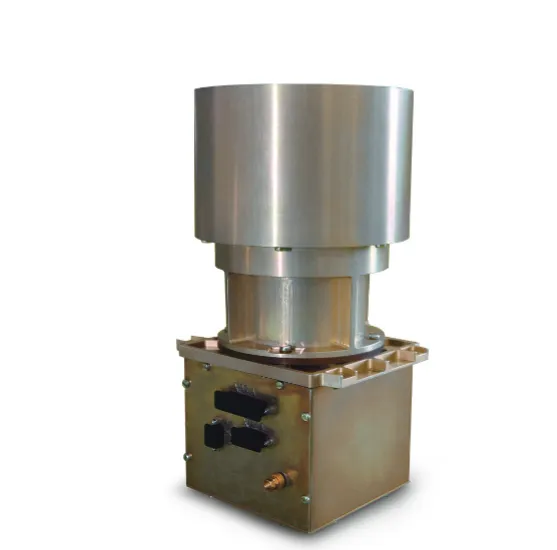
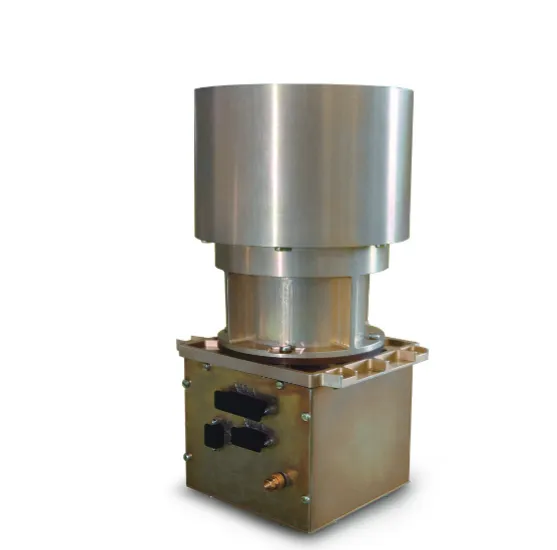
The star sensor determines satellite attitude by capturing and identifying star images.
Key Specifications
| Parameter | Value |
|---|---|
| Model | C-ST-MA-APS4-1 |
| Measurement Accuracy | 3″ (3σ) |
| Flight Heritage | First flight in 2016 |
| Application | Micro and nanosatellites |
| Dimensions (mm) | 86 × 85 × 208 |
| Weight (g) | 900 |
| Mounting Material | 2A12 T4 |
| Communication Interface | RS-422 |
| Storage Temperature (°C) | −20 to +50 |
| Operating Temperature (°C) | −25 to +55 |
| Data Update Rate | — |
| Design Life | 5 years |
Key Features
- High manufacturing precision with rapid mass-production capability.
- Miniaturized modular design with high thermal and structural integration.
- Lightweight, compact, and low-power consumption.
- Advanced technical performance indicators.
Applications
- Used for high-precision attitude determination in micro and nanosatellite platforms.
Documentation & Resources
Support
Frequently Asked Questions
Common questions about Micro Star Sensor
What accuracy does the Micro Star Sensor provide?
Model C-ST-MA-APS4-1 determines attitude by capturing and identifying star images with a measurement accuracy of 3 arcseconds (3-sigma).
What interface and design life does it have?
The sensor communicates over RS-422 and is designed for a 5-year service life. It weighs about 900 g and measures 86 x 85 x 208 mm.
What temperature range does the Micro Star Sensor support?
It operates from -25 to +55 C and can be stored from -20 to +50 C, with a 2A12 T4 mounting structure.
Does the Micro Star Sensor have flight heritage?
Yes. It first flew in 2016 and is used for high-precision attitude determination on micro and nanosatellite platforms.