Product Gallery
Visual Overview
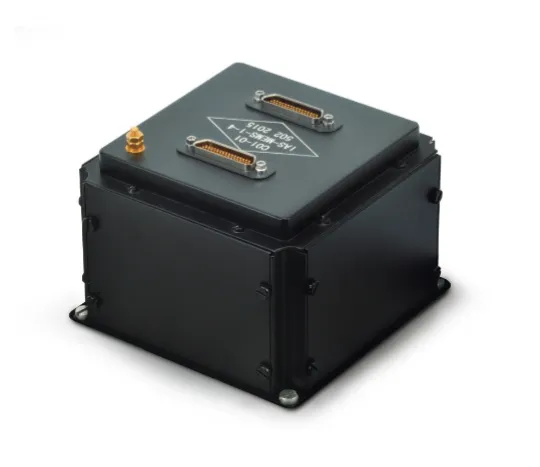
Specifications
Technical Details
Comprehensive specifications and technical information
Quick Overview
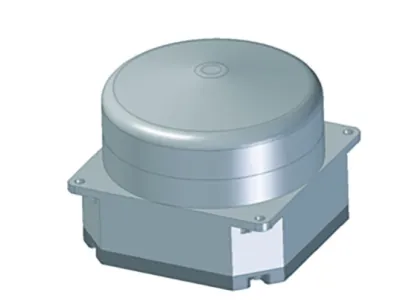
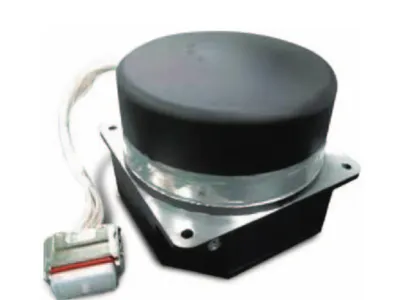
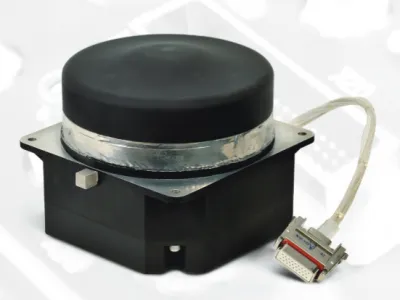
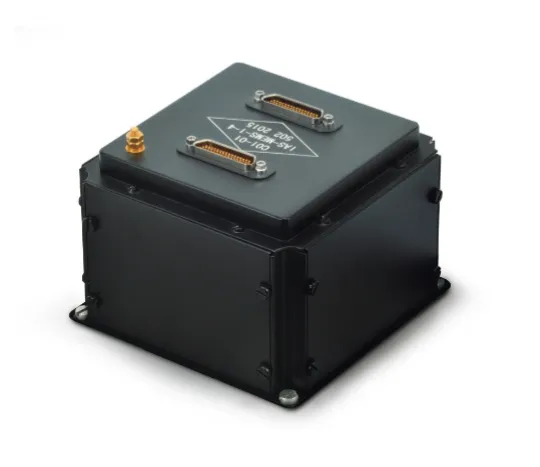
Developed using MEMS technology, this sensor employs MEMS gyroscopes as its core measurement components.
Key Specifications
| Parameter | Value |
|---|---|
| Model | C-IAS-M-EMS-4 |
| Measurement Accuracy | < 3.3°/h |
| Flight Heritage | First flight in 2015 |
| Application | Microsatellite |
| Dimensions (mm) | 100 × 100 × 80 |
| Weight (g) | 700 |
| Power Consumption (W) | 3.6 |
| Operating Temperature (°C) | −25 to +50 |
| Storage Temperature (°C) | −35 to +55 |
| Communication Interface | RS-422 |
Key Features
- Modular design based on MEMS technology.
- High precision and stability.
- Lightweight, compact, and low power consumption.
- Wide measurement range and high bandwidth.
Applications
- Used in microsatellite attitude determination and orbit control subsystems requiring compact, high-performance inertial sensing.
Documentation & Resources
Support
Frequently Asked Questions
Common questions about Micro Inertial Attitude Sensor
What measurement accuracy does this inertial sensor provide?
The model C-IAS-M-EMS-4 achieves a measurement accuracy better than 3.3°/h, using MEMS gyroscopes as its core measurement components.
What are the sensor weight and power consumption?
The sensor weighs about 700 g and consumes 3.6 W.
What communication interface does it use?
The sensor communicates over RS-422.
What temperature range does it support?
It operates from −25 to +50°C and can be stored from −35 to +55°C.
Does the inertial sensor have flight heritage?
Yes. It achieved its first flight in 2015 on microsatellite missions.