Visual Overview
Technical Details
Comprehensive specifications and technical information
Quick Overview
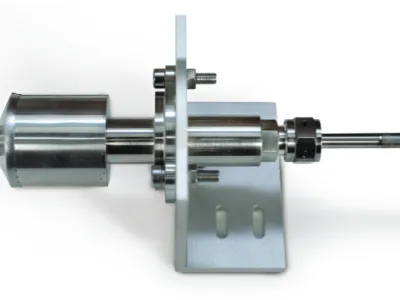
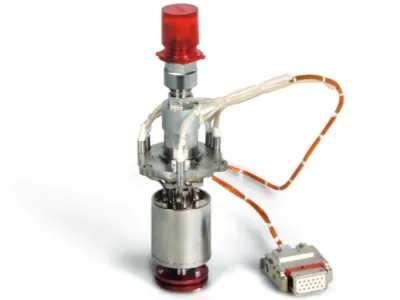
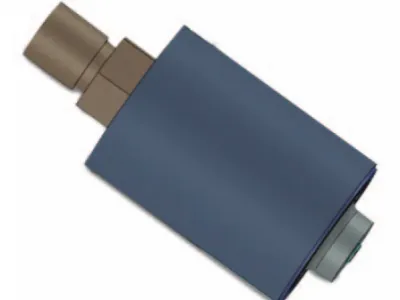
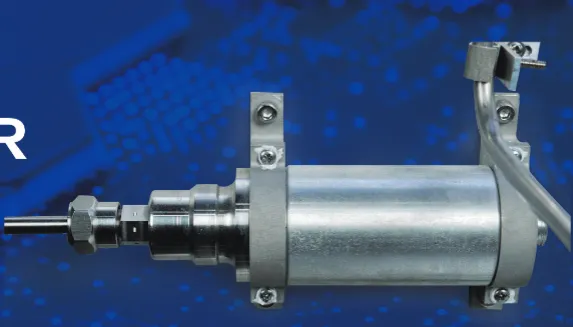
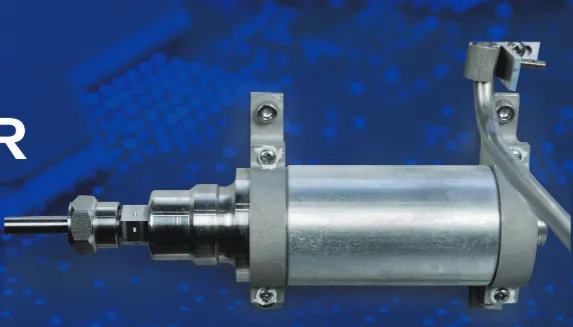
The 0.1 MPa Micro Pressure Sensor is a key component for measuring the gas tank pressure in satellite propulsion systems. It adopts a metal elastic diaphragm structure for pressure detection, achieving high performance with low cost. The sensor features lightweight construction, compact size, high accuracy, and low power consumption, making it suitable for micro- and small-satellite applications.
Key Specifications
| Parameter | Value |
|---|---|
| Dimensions (mm) | 22 × 22 × 56 |
| Mass (g) | ≤ 50 |
| Mounting Material | 1Cr18Ni9Ti |
| Operating Temperature (°C) | −20 to +50 |
| Storage Temperature (°C) | −30 to +55 |
| Communication Interface | Y4–4ZJLM |
Key Features
- Advanced ion-beam etching and micro-machining technology.
- Integrated electromechanical design with high integration level.
- Lightweight, compact, highly accurate, and energy-efficient.
- Excellent adaptability to harsh space environments.
Applications
- Used for gas pressure measurement in satellite propulsion systems. Proven flight experience since 2018, applied in micro-satellite missions.
Documentation & Resources
Frequently Asked Questions
Common questions about 0.1 MPa Micro Pressure Sensor
What does the 0.1 MPa Micro Pressure Sensor measure?
It measures gas tank pressure in satellite propulsion systems using a metal elastic diaphragm sensing element, delivering high accuracy at low cost for micro- and small-satellite platforms.
How compact and lightweight is the sensor?
The sensor measures 22 × 22 × 56 mm and has a mass of no more than 50 g, making it well suited to mass- and volume-constrained micro-satellites.
What operating and storage temperatures does it support?
It operates from −20 to +50°C and can be stored from −30 to +55°C, suiting it to typical satellite thermal environments.
What electrical interface does the sensor use?
The sensor connects through a Y4–4ZJLM connector, and its mounting body is made from 1Cr18Ni9Ti stainless steel.
Does this sensor have flight heritage?
Yes. It has been in service since 2018 on micro-satellite missions for propulsion-system gas pressure measurement.