Visual Overview
Technical Details
Comprehensive specifications and technical information
Quick Overview
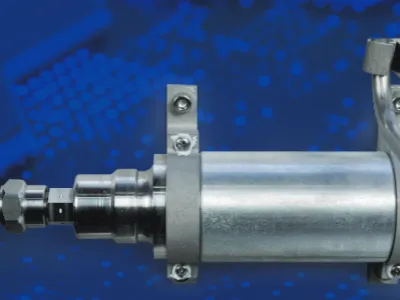
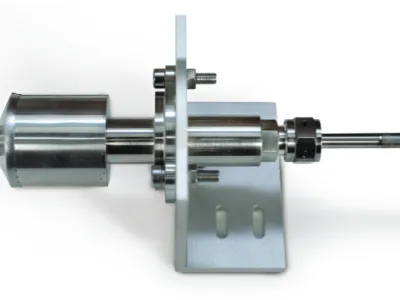
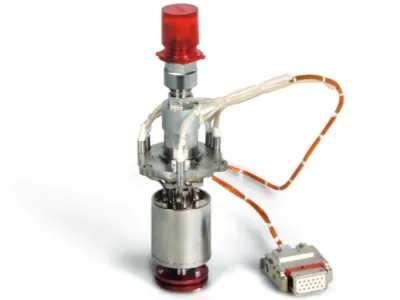
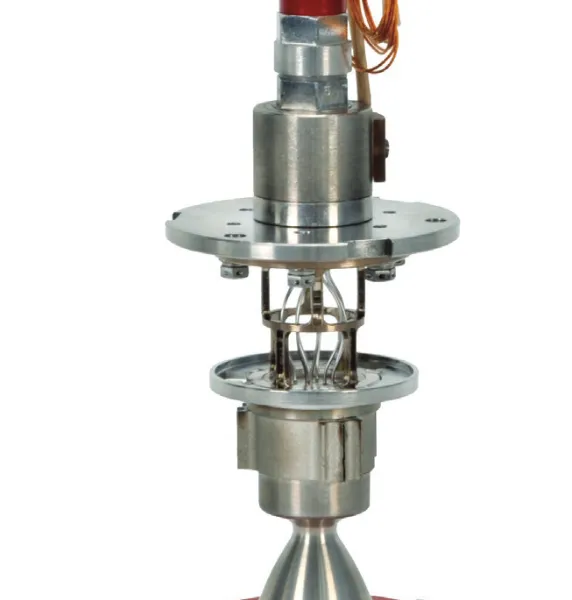
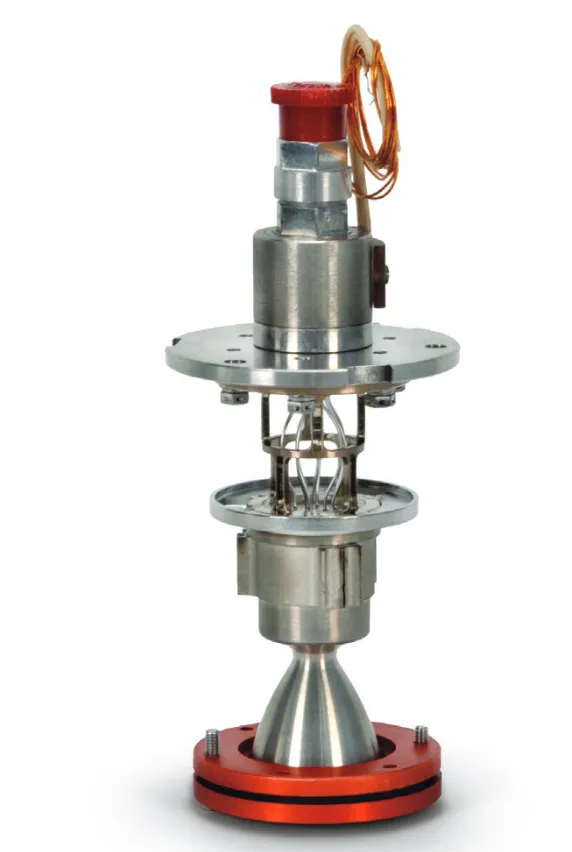
The ADN-Based Non-Toxic Thruster Series includes thrusters ranging from 0.2 N to 20 N, designed to provide high-performance and environmentally friendly propulsion solutions. Two ADN-based monopropellant formulations were developed: a medium-energy propellant with a theoretical specific impulse of approximately 220 s, and a high-energy propellant reaching up to 245 s. Catalyst optimization further enhances combustion efficiency and propellant compatibility.
Key Specifications
| Parameter | Value |
|---|---|
| Specification | Details |
| --- | --- |
| Status | Space-qualified |
Key Features
- Non-toxic, storable, and highly compatible ADN propellant.
- High-performance propulsion system.
- Available in both medium-energy and high-energy configurations.
- Modular design supporting rapid assembly and integration.
Applications
- Suitable for micro- and small-satellite propulsion systems, providing reliable, green alternatives to hydrazine-based thrusters with verified in-orbit performance.
Documentation & Resources
Frequently Asked Questions
Common questions about ADN-Based Non-Toxic Thruster Series
What thrust levels does the ADN thruster series cover?
The series spans thrusters from 0.2 N to 20 N, providing a scalable, environmentally friendly propulsion range for different mission classes.
What specific impulse do the ADN propellants deliver?
Two formulations are offered, a medium-energy propellant with a theoretical specific impulse of about 220 s and a high-energy propellant reaching up to 245 s.
Why is ADN propellant considered non-toxic and green?
The thrusters use a non-toxic, storable, highly compatible ADN monopropellant, offering a green alternative to hydrazine-based thrusters.
What platforms are these thrusters suited to?
They are intended for micro- and small-satellite propulsion systems, with a modular design supporting rapid assembly and integration.