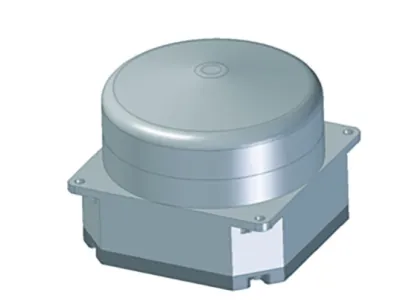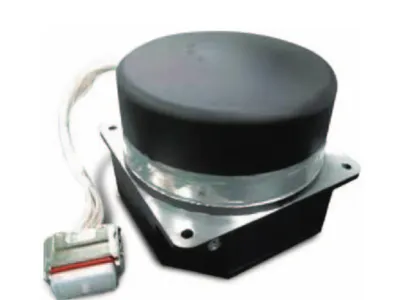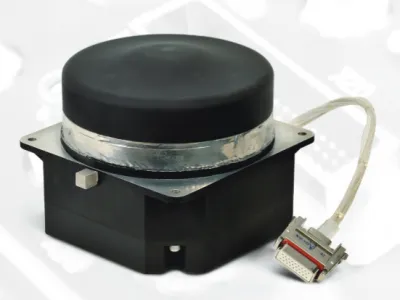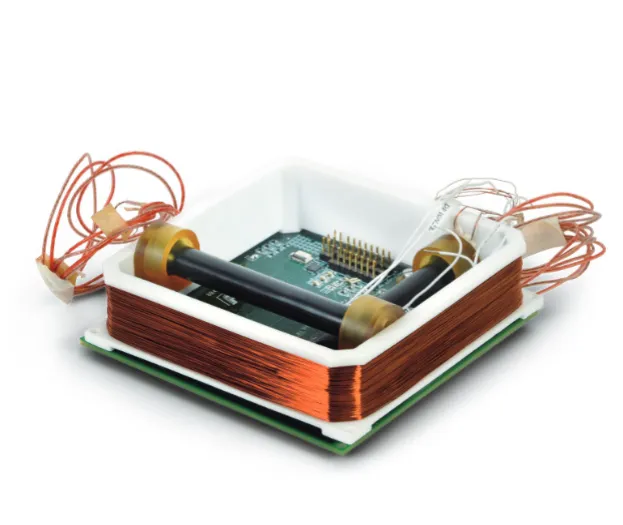
Product Gallery
Visual Overview
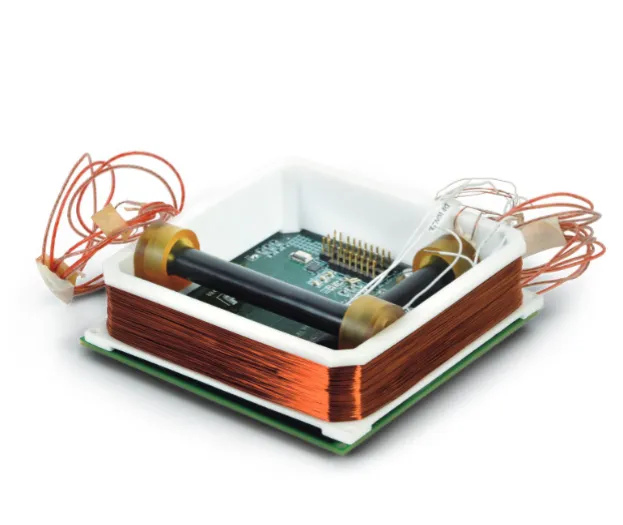
Specifications
Technical Details
Comprehensive specifications and technical information
Quick Overview
Both flywheels and magnetic torquers are key actuators in satellite attitude control systems.
Key Specifications
| Parameter | Value |
|---|---|
| Model | C-AOWM-3-3-1A |
| Rated Torque | 0.4 mN·m·s |
| Flight Heritage | Completed in 2015 |
| Application | Nanosatellite |
| Dimensions (mm) | 90 × 90 × 40 |
| Weight (g) | ≤ 380 |
| Operating Temperature (°C) | −5 to +45 |
| Storage Temperature (°C) | −10 to +50 |
| Communication Interface | CAN |
Key Features
- Low-cost design and implementation technology.
- Integrated electromechanical design with high compactness.
- Lightweight, small size, and low power consumption.
- Excellent adaptability to space environments.
Applications
- Used in nanosatellite attitude control systems integrating torque and momentum management functions.
Documentation & Resources
Support
Frequently Asked Questions
Common questions about Micro-Nano Flywheel and Magnetic Torquer Assembly
What does this assembly integrate?
The model C-AOWM-3-3-1A combines a flywheel and a magnetic torquer, providing a rated torque of 0.4 mN·m·s for integrated nanosatellite attitude control.
What are the assembly dimensions and weight?
The unit measures 90 × 90 × 40 mm and weighs no more than 380 g.
What communication interface does it use?
The assembly communicates over CAN.
What temperature range does it support?
The flywheel-torquer assembly operates from −5 to +45°C and can be stored from −10 to +50°C.
Does the assembly have flight heritage?
Yes. Its flight qualification was completed in 2015 for nanosatellite platforms.