Visual Overview
Technical Details
Comprehensive specifications and technical information
Quick Overview
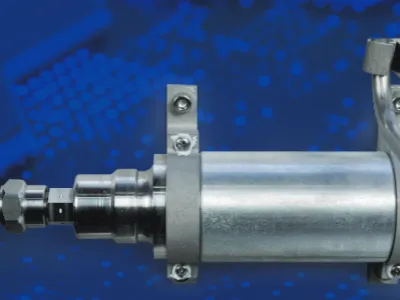
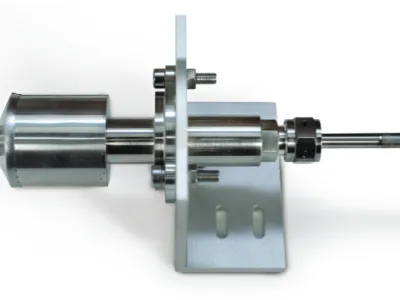
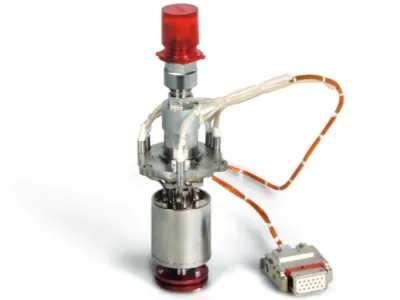
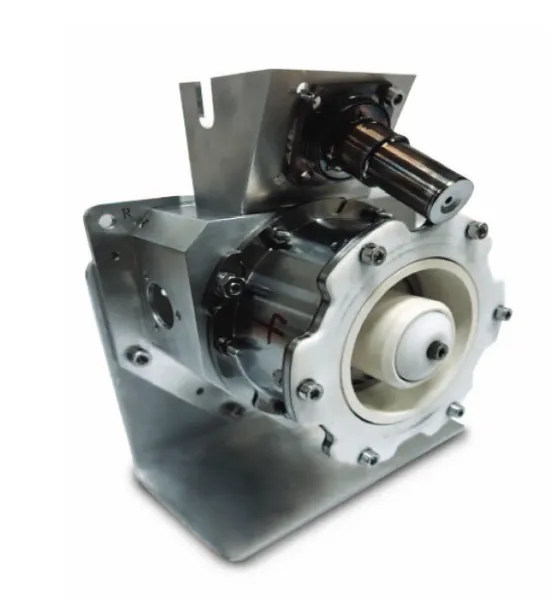
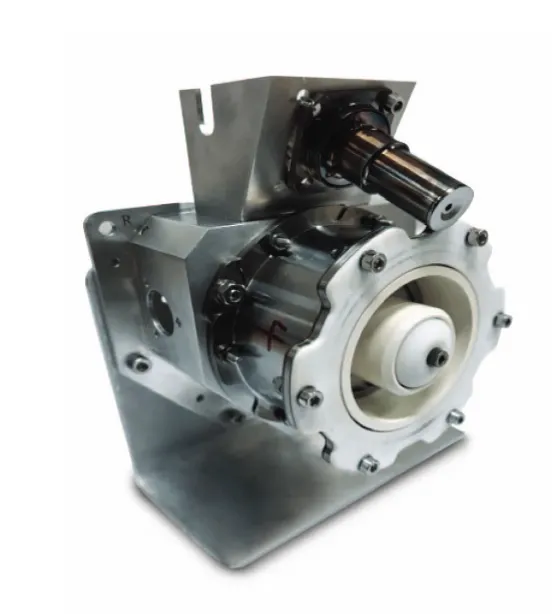
The Low-Power Hall Thruster is designed for micro- and nanosatellite orbit transfer and station-keeping missions. It uses inert gas as the propellant and features a lightweight, compact design with high reliability and long operational life. The 300 W and 600 W variants are optimized for low-Earth orbit (LEO) constellations, including broadband communication and remote-sensing satellite missions.
Key Specifications
ET-H300-1 Model
| Parameter | Value |
|---|---|
| Power | 300 W |
| Dimensions | 144 × 114 × 91 mm |
| Mass | 1.2 kg |
| Propellant | High-purity Xenon |
| Operating Temperature | −40 to +80 °C |
| Mechanical Interface | 6 × φ 4.5 |
ET-H600-1 Model
| Parameter | Value |
|---|---|
| Power | 600 W |
| Dimensions | 190 × 160 × 110 mm |
| Mass | 2.0 kg |
| Propellant | High-purity Xenon |
| Operating Temperature | −40 to +80 °C |
| Mechanical Interface | 6 × φ 4.5 |
Key Features
- Lightweight and compact structure
- High reliability and stable operation
- Long service life
- Suitable for orbit transfer and station-keeping missions
- Available in 300W and 600W variants
- Optimized for LEO constellations
Technical Details
Architecture & Design
The Low-Power Hall Thruster uses inert gas (high-purity Xenon) as propellant and employs Hall effect acceleration principles for efficient thrust generation. The design is optimized for micro- and nanosatellite applications with emphasis on:
- Compact form factor suitable for small satellite platforms
- High specific impulse for efficient propellant utilization
- Long operational lifetime for extended missions
- Stable performance across wide temperature ranges
Flight Heritage
- ET-H300-1 and ET-H600-1 achieved first flight in 2019
- Demonstrated stable and efficient in-orbit performance
- Validated for LEO constellation missions
Applications
- Micro- and nanosatellite orbit transfer
- Station-keeping missions
- Constellation adjustment in low Earth orbit
- Broadband communication satellites
- Remote-sensing satellite missions
Documentation & Resources
Frequently Asked Questions
Common questions about Low-Power Hall Thruster
What power variants does the Low-Power Hall Thruster offer?
It is available as the 300 W ET-H300-1 and the 600 W ET-H600-1, both optimized for LEO constellation orbit transfer and station-keeping.
What propellant does the thruster use?
Both variants run on high-purity xenon and use Hall-effect acceleration for efficient thrust generation.
What are the mass and size of each variant?
The ET-H300-1 is 1.2 kg at 144 × 114 × 91 mm, while the ET-H600-1 is 2.0 kg at 190 × 160 × 110 mm.
What temperature range does the thruster tolerate?
It operates across a wide −40 to +80°C range and mounts through a 6 × φ4.5 mechanical interface.
Does the Hall thruster have flight heritage?
Yes. The ET-H300-1 and ET-H600-1 achieved first flight in 2019 with stable in-orbit performance validated for LEO constellations.