Visual Overview
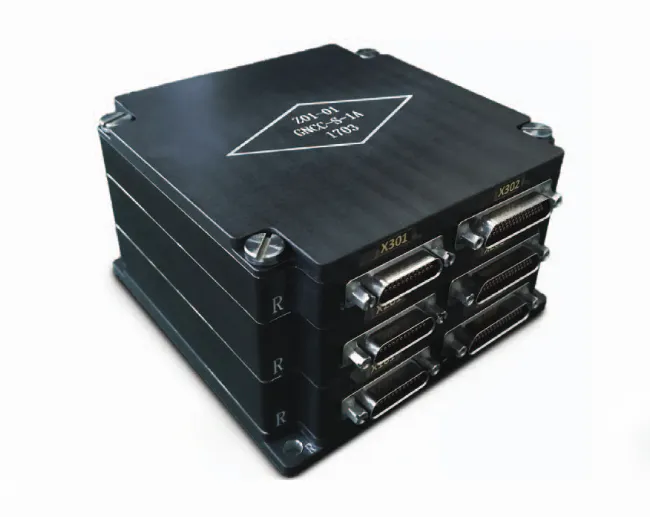
Technical Details
Comprehensive specifications and technical information
Quick Overview
The SpaceOS series is a fully proprietary embedded real-time operating system developed for high-reliability aerospace applications. It is optimized for time-critical, high-performance embedded systems in space environments. Characterized by low resource consumption, high real-time responsiveness, and strong reliability, SpaceOS provides a stable foundation for aerospace missions requiring precise and deterministic operation.
Key Specifications
| Parameter | Value |
|---|---|
| Scheduling Algorithm | Priority-based fixed preemptive scheduling with time-slice round-robin support for tasks of the same priority |
| Supported CPU Architectures | SPARC and ARM |
| Supported Number of Tasks | Unlimited |
| Priority Levels | 0–63 |
| Signal Management | Supports binary signals, semaphore signals, and counting signals |
| Message Queues | Supported |
| Memory Management | Supports dynamic memory allocation |
| Time Management | Supported |
Key Features
- Low software resource utilization.
- Excellent real-time performance.
- High software reliability.
Applications
- Used in microsatellite onboard systems; first flight in 2006.
Documentation & Resources
Frequently Asked Questions
Common questions about SpaceOS Embedded Real-Time Operating System
Which CPU architectures does SpaceOS support?
SpaceOS supports SPARC and ARM architectures. It provides priority-based fixed preemptive scheduling with time-slice round-robin support for tasks of the same priority.
How many tasks and priority levels does SpaceOS handle?
SpaceOS supports an unlimited number of tasks and 64 priority levels (0 to 63). It includes message queues, dynamic memory allocation, and time management.
What signal types does SpaceOS provide?
SpaceOS supports binary signals, semaphore signals, and counting signals, along with message queues for inter-task communication.
Does SpaceOS have flight heritage?
Yes. SpaceOS first flew in 2006 in microsatellite onboard systems and is characterized by low resource use, strong real-time performance, and high reliability.