Spacecraft Systems
Comprehensive spacecraft subsystem portfolio with 62+ flight-proven products across 4 integrated categories: onboard electronics, precision propulsion, attitude sensors, and control mechanisms. Complete end-to-end solutions for microsatellite and nanosatellite missions
Available Products
62 solutions for Spacecraft Systems
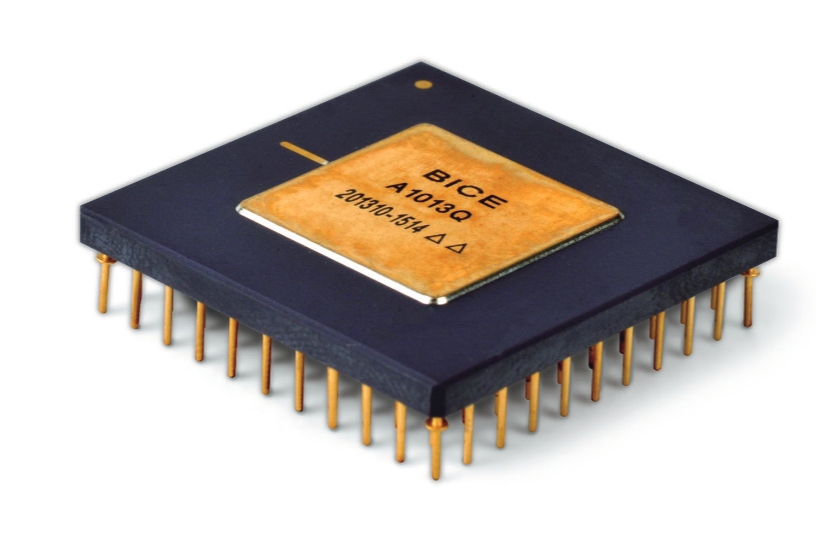
A1013Q Universal Four-Port Chip
The A1013Q is a four-channel serial port controller chip supporting various word lengths from 5 to 8 bits, with selectable parity check modes and 1/1.5/2 stop-bit configurations. It is compatible with multiple aerospace-grade processor interfaces (such as 80C32E, DSP6701, and SoC2008). The chip provides 16 programmable baud rate settings and features transmit and receive FIFOs of 256 bytes each, meeting the requirements of aerospace-level applications.

Microsatellite Integrated Electronics
The Microsatellite Integrated Electronics system is a highly integrated avionics solution developed with aerospace-grade components. It provides long service life, compact size, and high performance while maintaining cost efficiency and rapid development capability. The system combines platform control, data management, computation, and signal processing within a unified module, achieving high integration and reliability. It is designed to meet the requirements of low-cost, batch-produced, and fast-response satellite missions for microsatellites, nanosatellites, and constellation platforms.
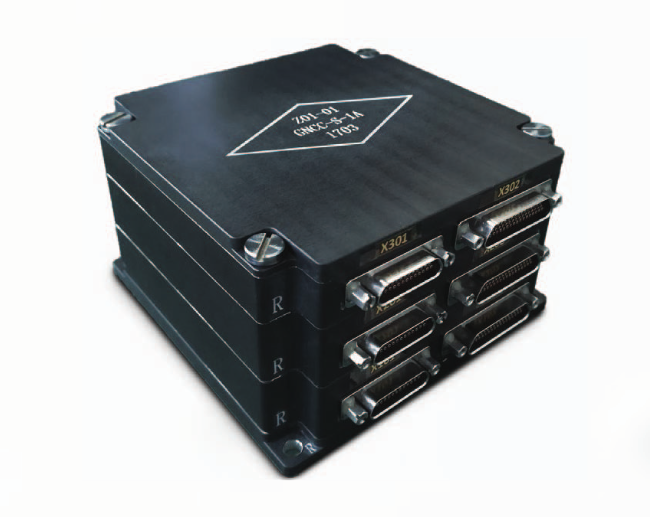
NASSAT Computer
The NASSAT Computer is a central control computer developed for micro- and nanosatellite applications, integrating SiP and SoC technologies. It offers advantages in performance, compact size, lightweight construction, and low power consumption, while maintaining high reliability and cost efficiency. The system has been successfully applied in multiple commercial satellites.
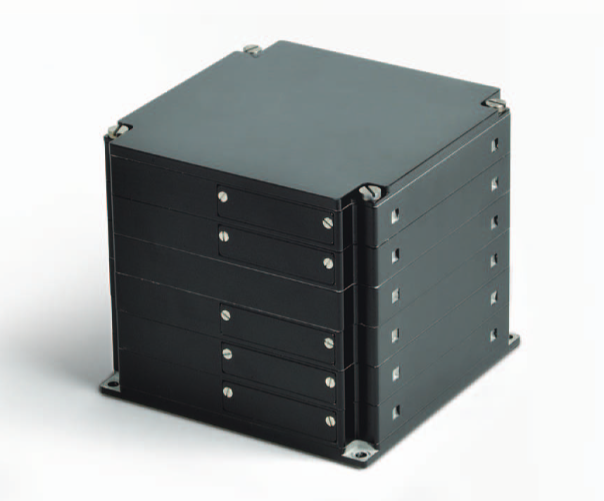
NASSAT Dual-Module Computer
The NASSAT Dual-Module Computer is an enhanced version of the NASSAT onboard computer, designed for longer lifespan and higher reliability in micro- and nanosatellite applications. It adopts SiP and SoC technologies with a dual-computer redundant architecture and integrated fault management module. The system provides superior reliability, performance, compact structure, lightweight design, and low power consumption, making it ideal for demanding space missions.
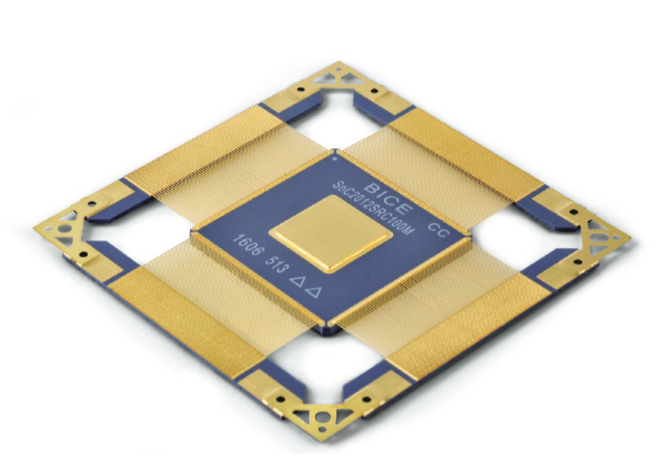
Quad-Core SoC2012 32-bit Space Application On-Chip System
The SoC2012 is the first domestically developed high-performance quad-core SoC designed for satellite onboard computing. It integrates four SPARC V8 cores with a total processing performance exceeding 300 MIPS and 75 FLOPS @ 100 MHz. With a power consumption below 1 W, the SoC2012 outperforms comparable European and American products, achieving world-class performance levels for satellite applications.
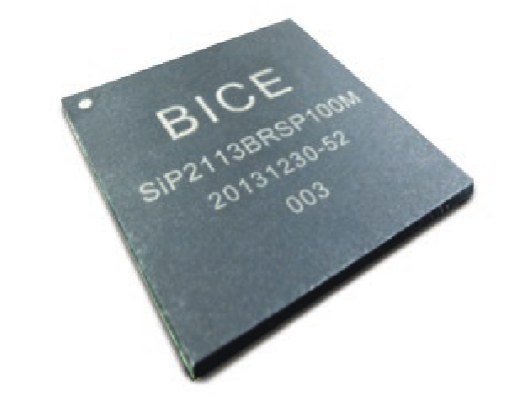
SiP2113 Universal Onboard Computer Module
The SiP2113 is a micro onboard computer module designed for aerospace embedded computing applications, utilizing SiP three-dimensional packaging technology. It integrates the SoC2008 processor, large-capacity SRAM data storage units, and high-capacity FLASH program storage units. Compared with conventional designs, the SiP2113 achieves more than 80% reduction in size, weight, and power consumption, while lowering cost by over 70%.
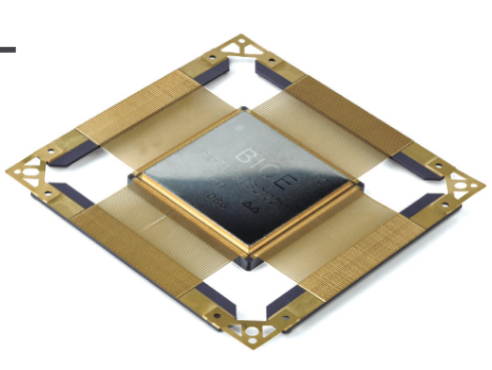
SiP2115 Universal Onboard Computer Module
The SiP2115 is a micro onboard computer module based on the SoC2008 processor core. It integrates large-capacity SRAM data storage units and FLASH program storage units. Compared with traditional designs, it achieves more than 80% reduction in size, weight, and power consumption, with cost reduced by over 60%. The SiP2115 adopts a ceramic package and domestically produced radiation-hardened chips, making it suitable for high-reliability and long-lifetime space missions.
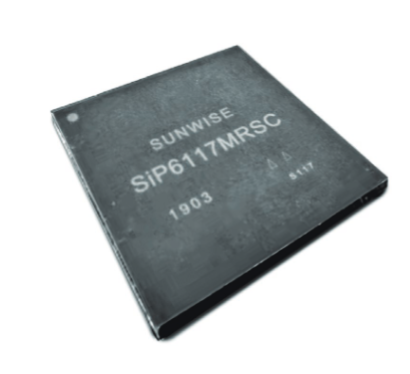
SiP6117M Programmable Signal Processing Module
The SiP6117M Programmable Signal Processing Module is a system-level integrated product that combines FPGA, high-precision A/D, multi-channel A/D, and high-precision D/A modules. It offers high versatility, reliability, compact size, and low cost, making it widely applicable to optoelectronic and aerospace electronic systems such as fiber-optic gyroscopes and electromechanical platforms.
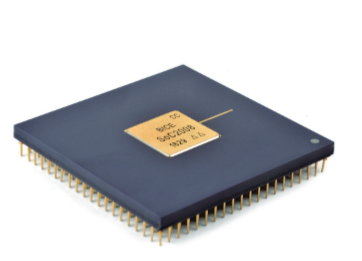
SoC2008 32-bit Space Application On-Chip System
Advanced spacecraft component for satellite systems.
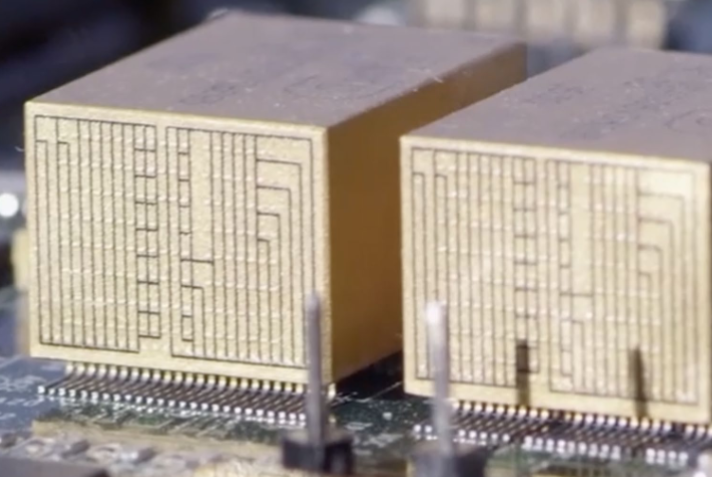
SoC2016 32-bit Space Application On-Chip System
The SoC2016 is the first domestically developed heterogeneous multi-core SoC designed for integrated satellite control and data processing applications. It combines a Cortex-A9 processor core with a DSP digital signal processor, floating-point processor, and multiple communication interfaces including 1553B, CAN, and SpaceWire buses, as well as a DMA controller. The chip achieves performance exceeding 1000 MIPS and 500 FLOPS @ 500 MHz, with power consumption below 3 W, reaching advanced international standards.
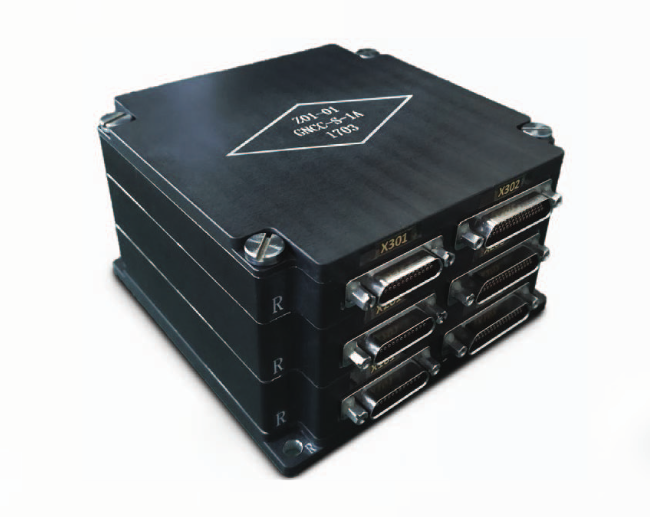
SpaceOS Embedded Real-Time Operating System
The SpaceOS series is a fully proprietary embedded real-time operating system developed for high-reliability aerospace applications. It is optimized for time-critical, high-performance embedded systems in space environments. Characterized by low resource consumption, high real-time responsiveness, and strong reliability, SpaceOS provides a stable foundation for aerospace missions requiring precise and deterministic operation.
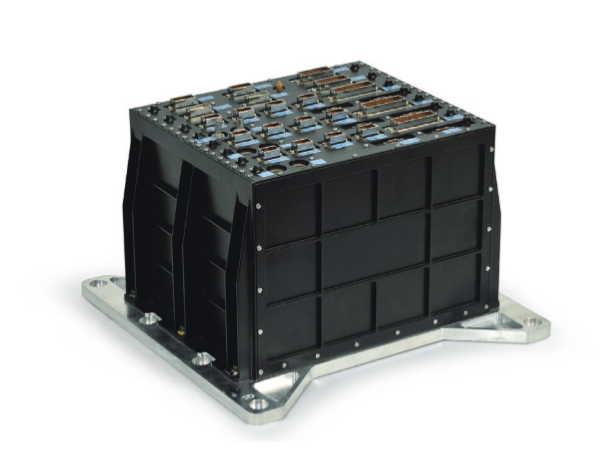
The Core Components of the Micro-Satellite Controller
A series of highly integrated and miniaturized electronic system chips have been developed for micro- and nanosatellite control applications. These include the SoC2008 32-bit onboard application system chip, which has already been widely adopted in satellite electronic systems, and the SoC2012 32-bit onboard application system chip, designed for general onboard computing and attitude control with radiation tolerance up to 300 krad and a processing performance of 300 MIPS @ 100 MHz. The series also includes SoC2016 (LEON4 + DSP), SiP2113 general-purpose onboard computer module, and SiP2214 general-purpose onboard computing module with integrated data management functions. The SiP2115 general-purpose onboard computing module incorporates the A1013Q chip and serves as a typical onboard computer module for micro- and nanosatellites.

XY28F256KLV (3.3V) 32K×8bit Anti-Radiation PROM
The XY28F256KLV is a programmable read-only memory (PROM) chip manufactured using 0.13 μm CMOS technology. It offers high performance, excellent radiation resistance, and low power consumption. The device integrates four sets of redundant storage modules and supports both manual and automatic programming through a dedicated programmer. It is suitable for aerospace electronic and control system applications.
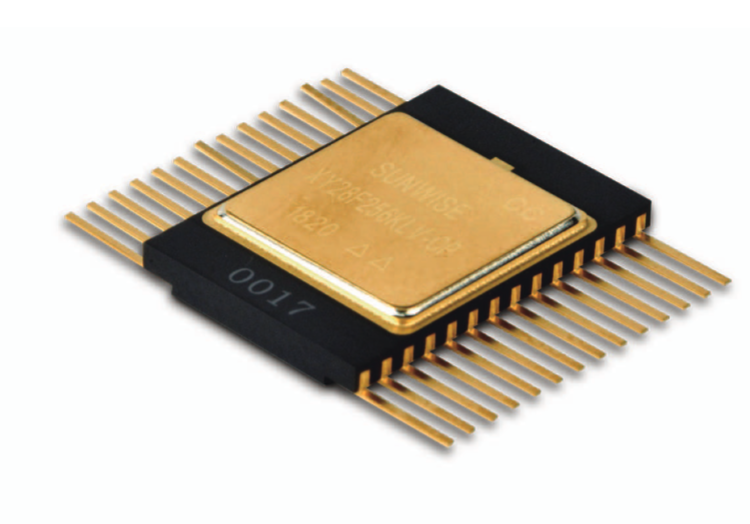
XY28F256KV (5V) 32K×8bit Anti-Radiation PROM
The XY28F256KV is a programmable read-only memory (PROM) device fabricated using 0.13 μm CMOS technology. It features high performance, strong radiation resistance, and low power consumption. The chip includes four sets of redundant storage modules and supports both manual and automatic programming through a dedicated programmer. It is widely applicable in aerospace electronics and control systems.
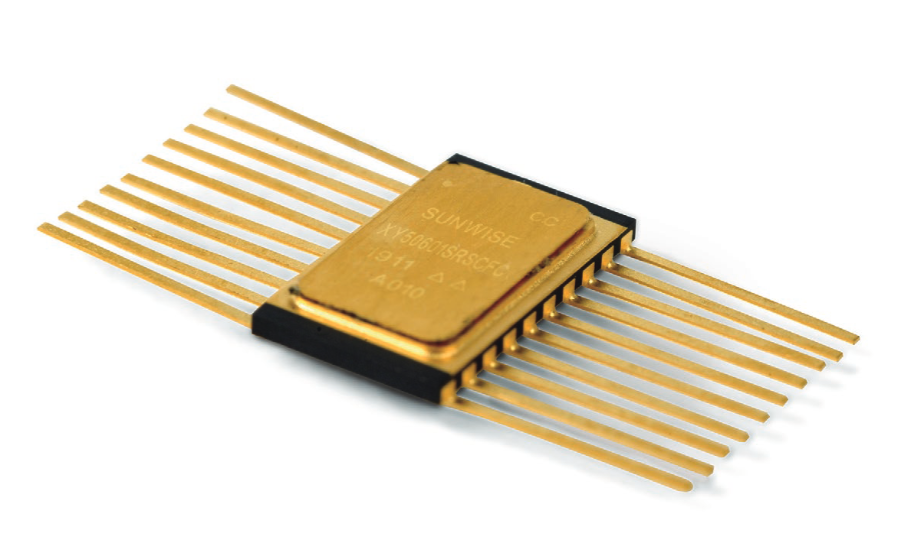
XY50601 Radiation-Resistant Synchronous Rectifier Buck Switching Power Chip
The XY50601 is a high-reliability, radiation-hardened synchronous rectifier buck-type switching power chip designed for distributed power supplies in aerospace electronic systems. It serves as a core power source for system processors, FPGAs, ASICs, and other components. The chip integrates a high-performance internal low-end MOSFET capable of delivering a maximum output current of 6 A. It features high efficiency, high integration, and compact size, making it suitable for high-reliability aerospace and military electronic systems.
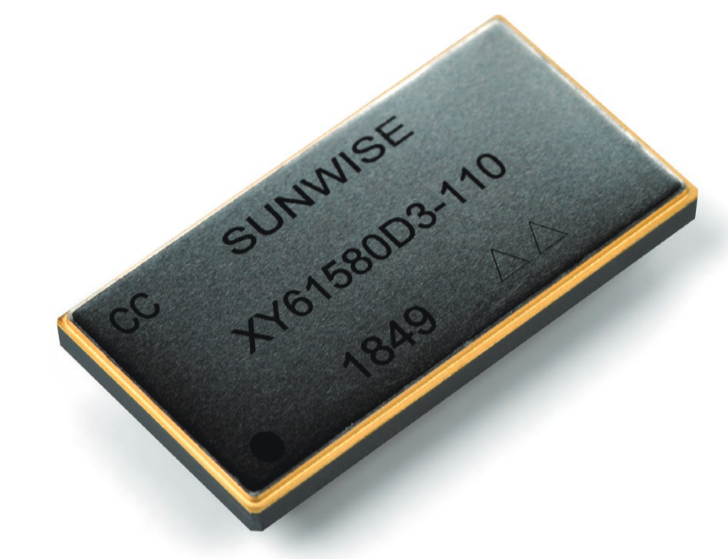
XY61580 Radiation-Resistant 1553B Bus Controller
The XY61580 is a high-performance bus controller integrating BC, RT, and MT functions. It provides a complete and flexible interface between microprocessors and the 1553B data bus. Fabricated with CMOS technology, it features strong radiation resistance, high-speed data transmission, and low power consumption. The controller is compatible with international standard products of the same type.
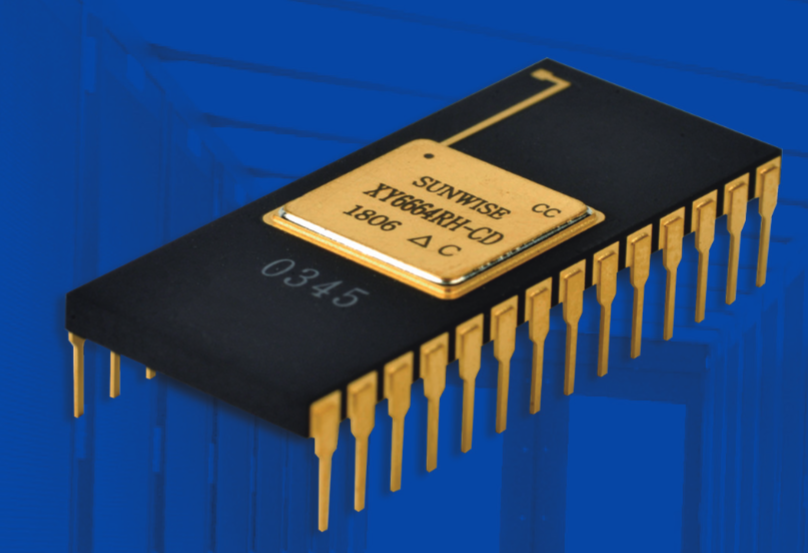
XY6664RH Radiation-Resistant 8K×8bit PROM
The XY6664RH is a programmable read-only memory (PROM) chip developed with 0.18 μm CMOS technology. It offers high performance, radiation resistance, and low power consumption. The device is equipped with a dedicated programmer supporting both manual and automatic programming. It is suitable for aerospace electronics and control applications.
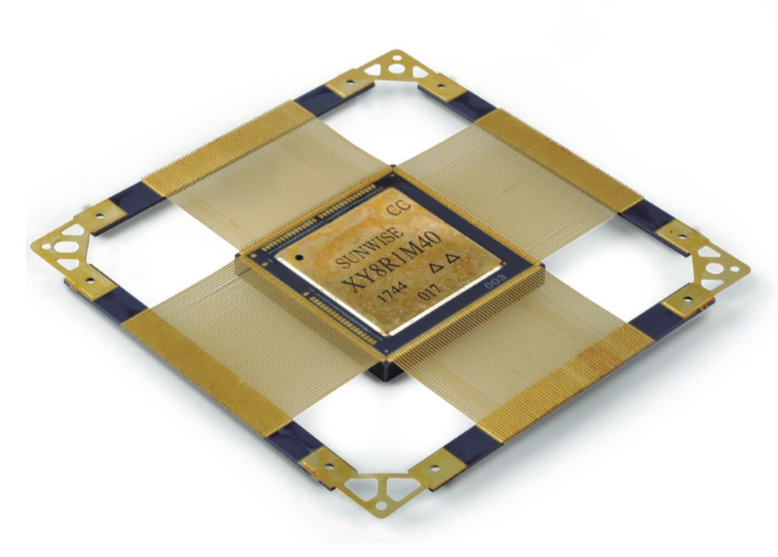
XY8R512K40/1M40 20M/40Mb Anti-Radiation SRAM
The XY8R512K40/1M40 is a high-reliability, high-speed, asynchronous, low-power, radiation-hardened static random-access memory (SRAM) chip. Fabricated with 0.13 μm CMOS technology, it provides capacities of 20 Mb (512 K × 40 bit) and 40 Mb (1 M × 40 bit). The device serves as a general-purpose data storage chip suitable for aerospace computing control and data processing systems.

090 Digital Reaction Wheel
The reaction wheel is a key actuator in satellite attitude control systems.

130 Standard Reaction Wheel
The reaction wheel is a key actuator in satellite attitude control systems.

160 Digital Reaction Wheel
The 160 digital reaction wheel incorporates advanced digital control and miniature drive circuit technology, achieving high performance with low cost, reduced mass, and compact design for microsatellite attitude control.
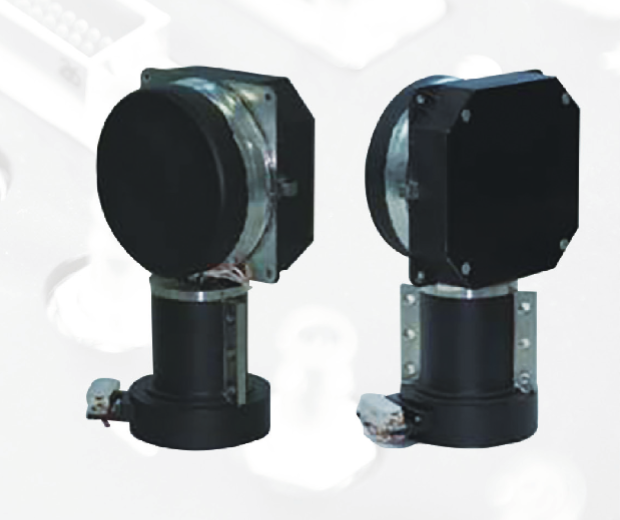
5 N·m·s Variable-Speed Control Moment Gyroscope (VSCMG)
The 5 N·m·s variable-speed control moment gyroscope (VSCMG) adopts an integrated miniaturized design that combines compact structure, low mass, and high efficiency.
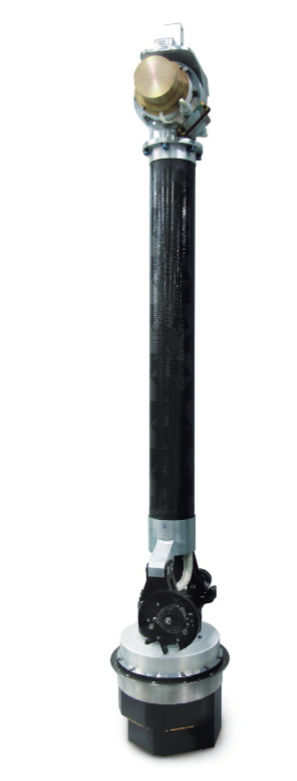
Extended-Arm Dual-Axis Solar Array Drive Mechanism
Developed for commercial aerospace applications, this long-life, low-cost, and high-reliability drive mechanism features a compact and lightweight structure.
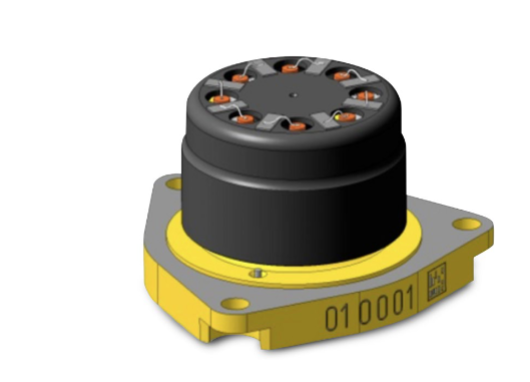
Metal Coriolis Vibratory Gyroscope (CVG)
The Metal Coriolis Vibratory Gyroscope (CVG) is widely used in weapon-mounted systems, attitude stabilization platforms, and space applications (e.g., Google, ESA, OneWeb).

Micro Dual-Axis Antenna Drive Mechanism
The CE-5 series micro dual-axis antenna drive mechanism is designed to control antenna orientation for ground communication and data transmission.
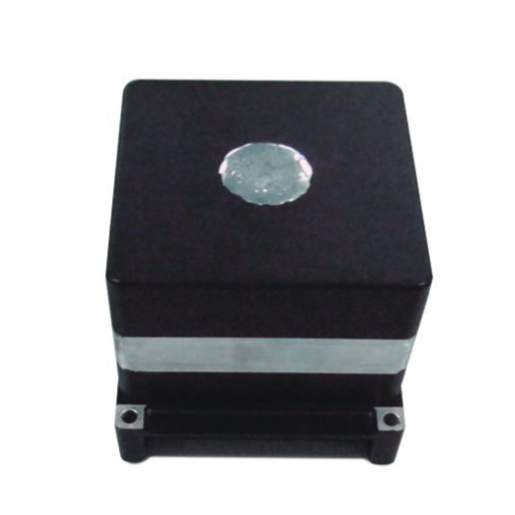
Micro Flywheel Combination
Flywheels are key actuators in satellite attitude control systems.
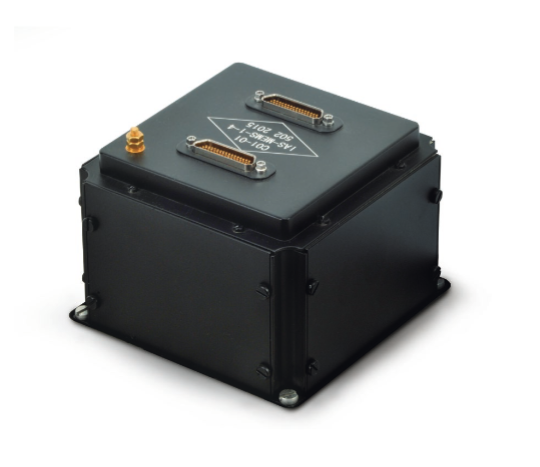
Micro Inertial Attitude Sensor
Developed using MEMS technology, this sensor employs MEMS gyroscopes as its core measurement components.
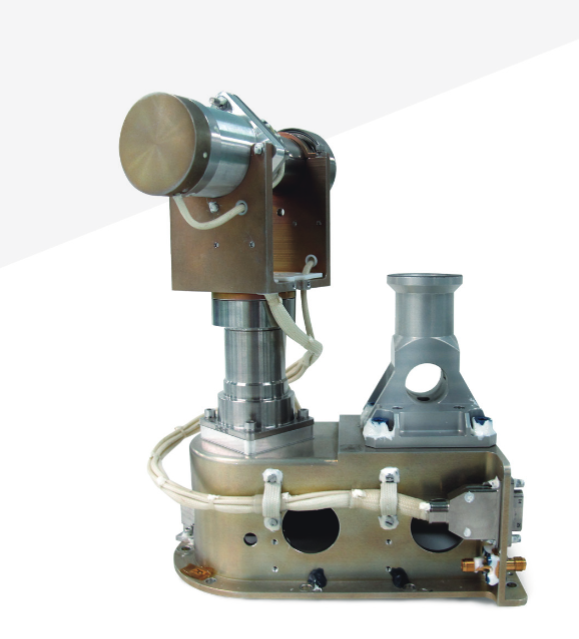
Micro Integrated Electromechanical Solar Array Drive Mechanism
The solar array drive mechanism (SADM) enables satellite solar panels to rotate for sunlight acquisition, tracking, and power optimization.
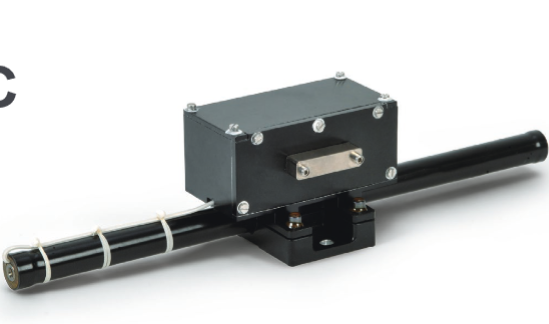
Micro Magnetic Torquer
The magnetic torquer is an essential actuator in satellite attitude control systems.

Micro-Nano Flywheel and Magnetic Torquer Assembly
Both flywheels and magnetic torquers are key actuators in satellite attitude control systems.
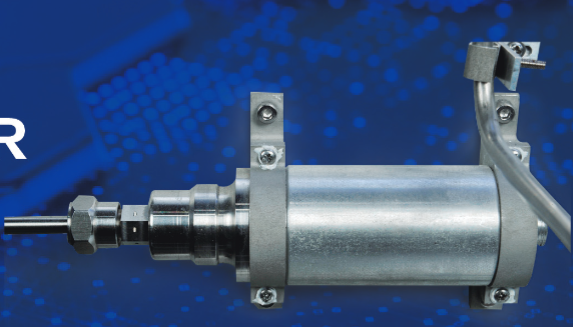
0.1 MPa Micro Pressure Sensor
The 0.1 MPa Micro Pressure Sensor is a key component for measuring the gas tank pressure in satellite propulsion systems. It adopts a metal elastic diaphragm structure for pressure detection, achieving high performance with low cost. The sensor features lightweight construction, compact size, high accuracy, and low power consumption, making it suitable for micro- and small-satellite applications.
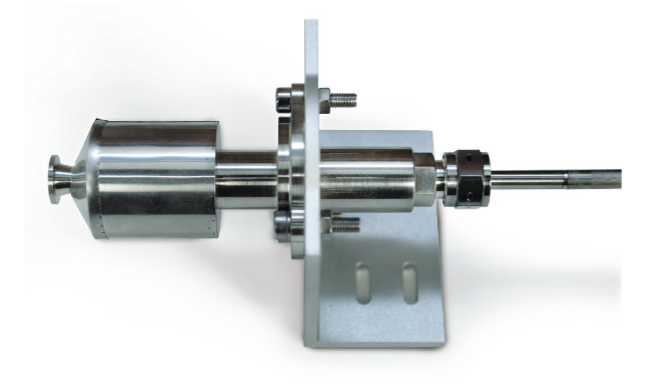
0.2 N Single-Component Thruster Assembly
The 0.2 N Single-Component Thruster is a key actuator for satellite attitude and orbit control. Designed with a compact structure and high efficiency, it ensures precise thrust performance and high reliability. The thruster employs a low-friction valve design to extend operational life and features advanced micro-scale fabrication and long-life sealing technology, making it ideal for micro- and small-satellite propulsion applications.
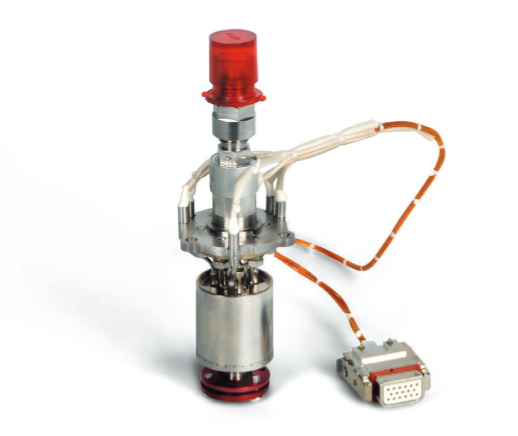
1 N Single-Component Thruster Assembly
The 1 N Single-Component Thruster is a critical actuator for satellite attitude and orbit control, designed for commercial aerospace applications. It offers high reliability, long service life, and cost efficiency, supporting batch production for constellation missions and on-orbit propulsion platforms.

1 to 15 mN Electromagnetic Ratio Cold-Gas Thruster
The 1–15 mN Electromagnetic Ratio Cold-Gas Thruster adopts a non-contact, frictionless screw-type electromagnetic drive mechanism that allows precise control of thrust output through continuous adjustment of the drive signal. This continuously variable thrust system is particularly suited for fine attitude control of micro- and small-satellites, as well as for scientific or formation-flying satellites requiring ultra-high-precision control and disturbance compensation.
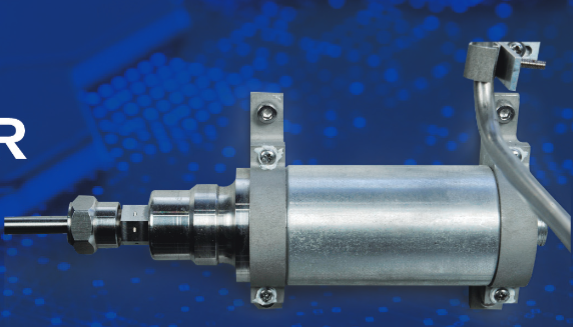
2 MPa Micro Pressure Sensor
The 2 MPa Micro Pressure Sensor is an essential unit for measuring propellant tank pressure in satellite propulsion systems. It employs a metallic elastic diaphragm sensing principle, achieving high performance at a low cost. The sensor is lightweight, compact, precise, and energy-efficient, making it ideal for micro- and small-satellite propulsion applications.
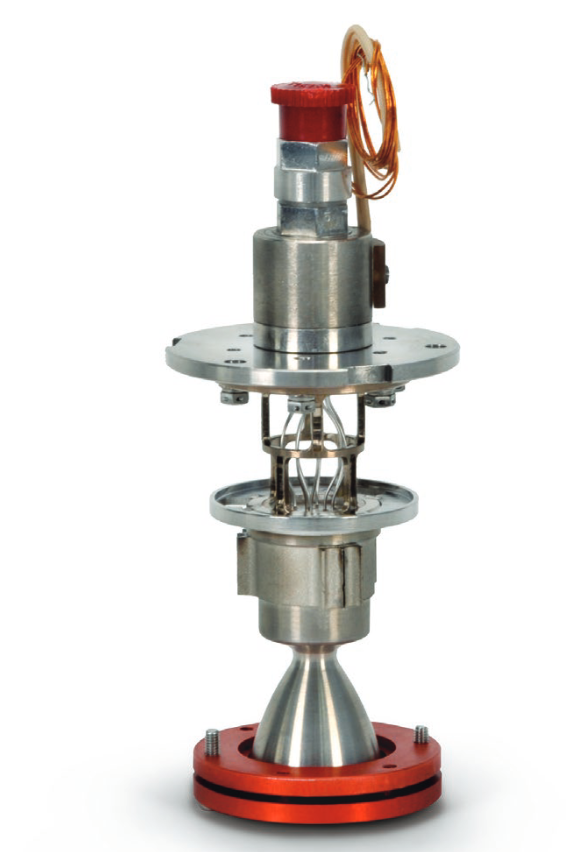
ADN-Based Non-Toxic Thruster Series
The ADN-Based Non-Toxic Thruster Series includes thrusters ranging from 0.2 N to 20 N, designed to provide high-performance and environmentally friendly propulsion solutions. Two ADN-based monopropellant formulations were developed: a medium-energy propellant with a theoretical specific impulse of approximately 220 s, and a high-energy propellant reaching up to 245 s. Catalyst optimization further enhances combustion efficiency and propellant compatibility.
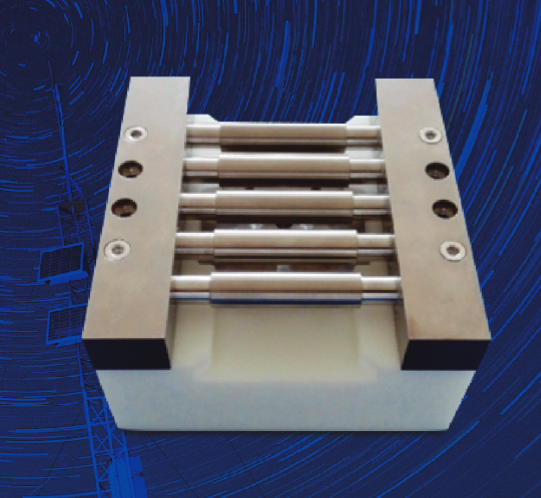
ADN-Based Single-Component Micro-Propulsion Module
The ADN-Based Single-Component Micro-Propulsion Module utilizes a high-energy, non-toxic ADN propellant. Through a solid gas generator, it supports pre-packaged and plug-and-play deployment, allowing quick installation and reliable operation. The system provides high total impulse and thrust output, making it suitable for micro- and nano-satellite rapid orbit adjustment, long-term attitude control, and orbit maintenance missions.
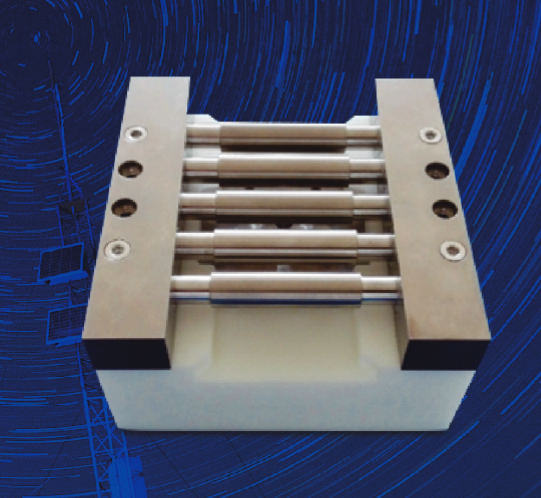
Butane Micropropulsion Module
The Butane Micropropulsion Module uses non-toxic liquefied butane as the propellant, relying on self-pressurization and vaporization to achieve a compact cold-gas propulsion configuration. Integrated with control circuitry, the module supports plug-and-play operation. Its high-precision thrust output enables micro- and nano-satellites to perform fine orbit transfer, attitude control, and station-keeping maneuvers.

C-GLV-3 Self-Locking Valve
The C-GLV-3 Self-Locking Valve is a cost-effective and compact product developed based on the GLV-3 low-friction self-locking design for commercial satellite propulsion systems. It is typically installed between the propellant tank and the thruster or as an upstream control valve. The valve is used to open, close, or isolate specific propulsion branches, ensuring the safety and reliability of the propulsion system.
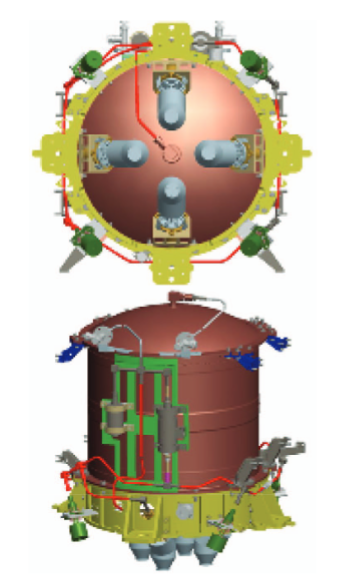
Integrated Propulsion Structure Module
The Integrated Propulsion Structure Module adopts a monopropellant propulsion system utilizing a green propellant (hydroxylammonium nitrate, HAN-based). The system features a blowdown mode and a single-tank structural layout, offering a highly integrated design suitable for compact spacecraft platforms.

Low-Power Hall Thruster
The Low-Power Hall Thruster is designed for micro- and nanosatellite orbit transfer and station-keeping missions. It uses inert gas as the propellant and features a lightweight, compact design with high reliability and long operational life.
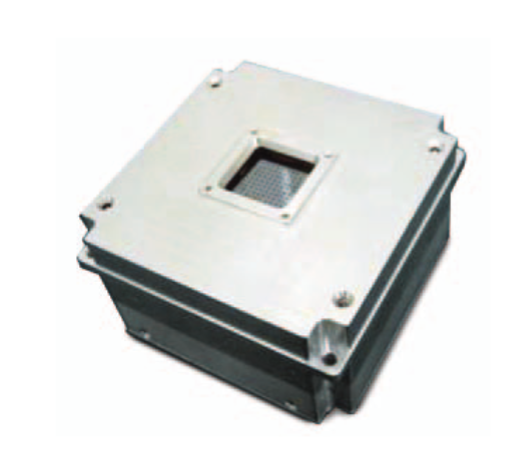
MEMS Solid Micro-Thruster Array
The MEMS Solid Micro-Thruster Array features a compact structure and flexible installation design. It integrates standard interfaces, self-contained control, and drive modules, making it ideal for attitude and orbit control of micro- and nanosatellites. The array employs a pulsed working mode, allowing precise selection and activation of individual micro-thruster elements to provide accurate impulse or torque output.

Micro Cathode Arc Propulsion Module
The Micro Cathode Arc Propulsion Module is a critical subsystem for orbit maintenance and attitude control of micro- and nano-satellites. It utilizes solid propellant and does not require a dedicated propellant feed system. The module supports long-term storage and features extremely low impulse bit (in the μN·s range), high efficiency, low mass, and simple structural design. It can be easily modularized and adapted for various missions, operating at low discharge voltages. The propulsion performance can be tuned through flexible control of the discharge frequency, making it suitable for precision satellite attitude control applications.
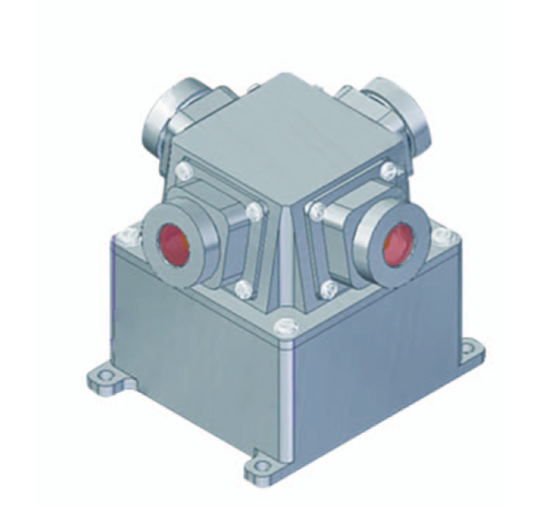
Micro-Nano Satellite Position Control Integrated Module
The Micro-Nano Satellite Position Control Integrated Module adopts a compact monopropellant propulsion system using green propellant. It provides reliable and efficient attitude and orbit control capabilities for micro and nano satellites through a simplified structural design and high system reliability.
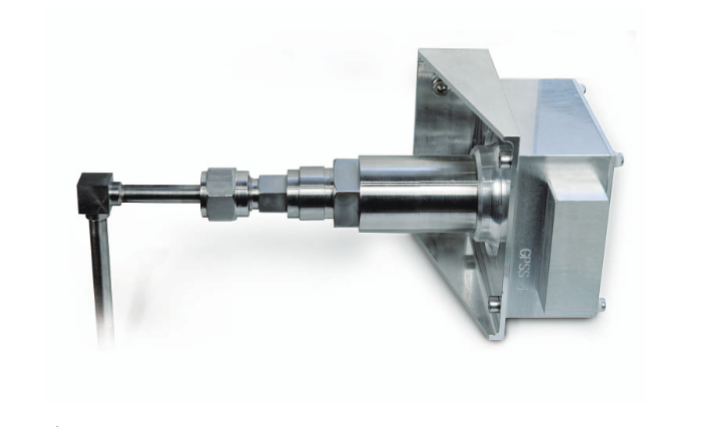
Micro-Newton Variable Thrust Module
The Micro-Newton Variable Thrust Module integrates a proportional thruster and a mass flow sensor. The proportional thruster adjusts thrust according to control commands by regulating the throat area of the proportional valve, achieving precise and continuous thrust control. The mass flow sensor measures the real-time gas flow rate to ensure feedback accuracy and closed-loop control. This module provides high-precision, ultra-low-thrust output, making it suitable for formation-flying satellites, drag-free control, and space science missions requiring ultra-stable micro-thrust environments.
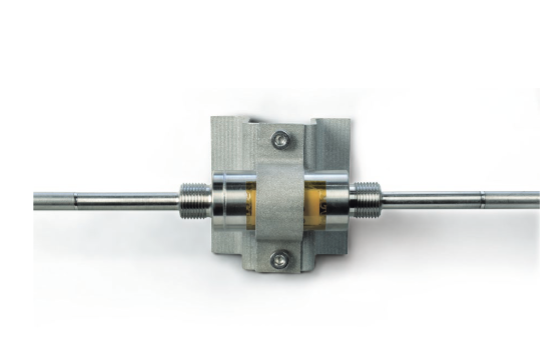
Single-Component 30 μm Mesh Filter
The Single-Component 30 μm Mesh Filter is designed for monopropellant propulsion systems to prevent contaminants from entering downstream components such as valves and thrusters. It adopts a mesh-type stainless steel design that ensures high performance and long-term reliability at low cost. The filter is lightweight, compact, and leak-resistant, making it ideal for commercial satellite propulsion applications.

Single-Set Element Gas/Liquid-Filling Valve
The Single-Set Element Gas/Liquid-Filling Valve is designed for propellant filling and venting in satellite propulsion systems. It features a metal-to-metal hard-sealing structure that ensures high sealing performance at a low cost. The valve is lightweight, compact, and leak-resistant, making it well-suited for commercial satellite propulsion applications.
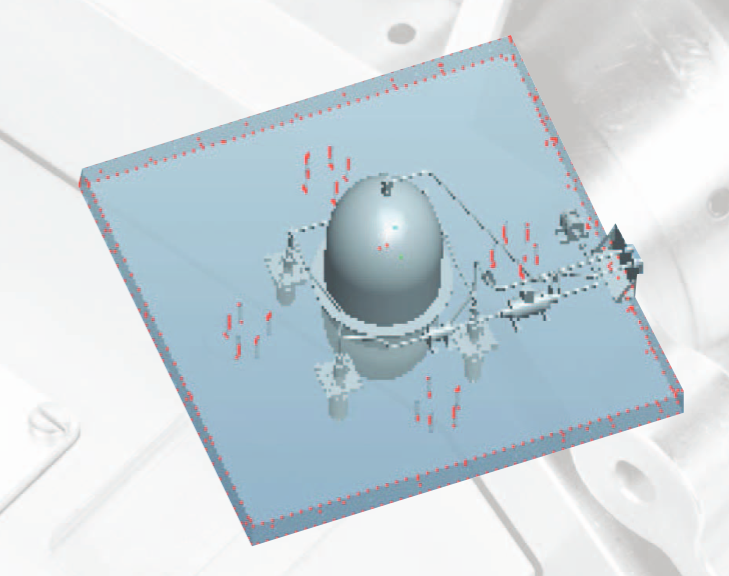
Small Satellite Positional Orbit Control Propulsion Module
The Small Satellite Positional Orbit Control Propulsion Module adopts a monopropellant propulsion system utilizing green, non-toxic propellants such as HAN or ADN. It features a blowdown mode with a single-tank configuration, ensuring compact structure, safety, and ease of integration for small satellite orbit and attitude control missions.

Solid Cold-Gas Micropropulsion Module
The Solid Cold-Gas Micropropulsion Module is a new-generation propulsion system based on solid gas-generating propellant technology. It consists of a gas generator, storage chamber, control circuitry, and sensors. The solid gas generator produces the required cold gas, which is supplied to the thruster assembly to generate precise thrust and torque for micro- and nano-satellite attitude and orbit control.
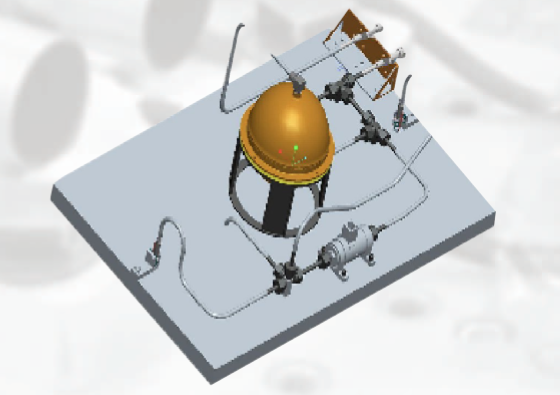
Tiny Satellite Position-Controlled Propulsion Module
The Tiny Satellite Position-Controlled Propulsion Module is a compact monopropellant propulsion system using non-toxic ADN-based propellant. Designed for micro and small satellite constellations, it enables efficient orbit and attitude control with rapid integration, batch production capability, and cost-effective deployment.

Tiny Ultra-High-Pressure Cold-Gas Propulsion System
The Tiny Ultra-High-Pressure Cold-Gas Propulsion System reduces a 60 MPa high-pressure gas source to a lower working pressure through a multi-stage regulator, enabling micro cold-gas thrusters to generate milli-Newton (mN) thrust levels. Designed for spacecraft requiring high precision and compact propulsion, this system offers advantages in total impulse, structural integration, power efficiency, and reliability. The technology incorporates ultra-high-pressure storage, lightweight pressure-reduction structures, and advanced sealing to ensure excellent adaptability and long-term stability in space environments.

Commercial Integrated Digital Solar Sensor
The optical system adopts a single silicon photodiode encoding measurement method.
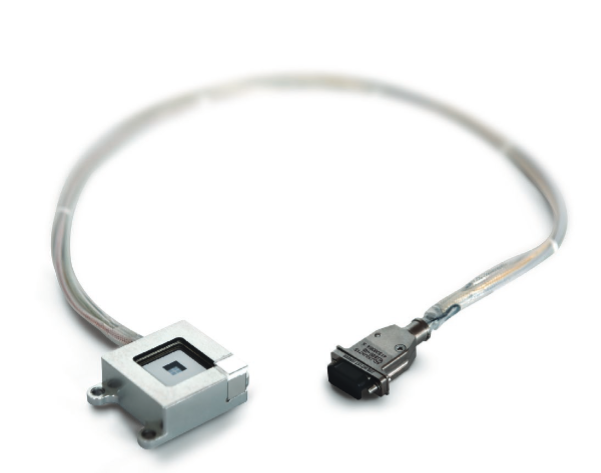
Dual-Axis Micro Analog Solar Sensor
The dual-axis micro analog solar sensor uses four silicon photodiodes as the sensing elements to measure the solar incident angle in two axes.
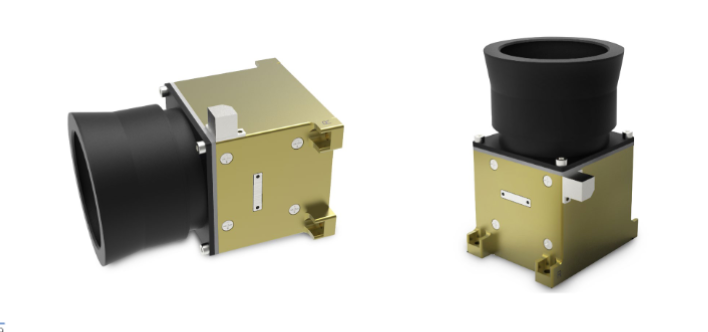
High-Dynamic Nano Star Sensor
The nano star sensor determines satellite attitude by capturing and identifying stellar images.
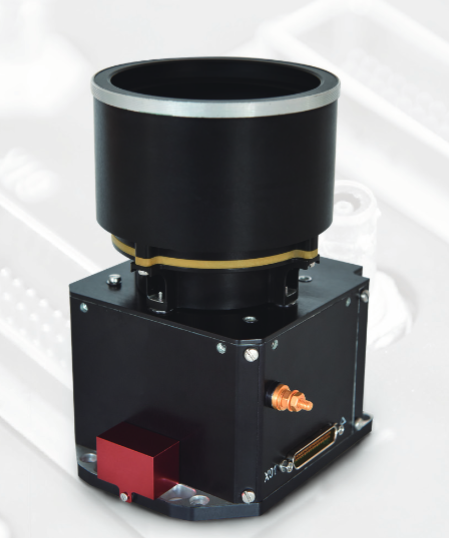
Long-Life Micro Star Sensor
The star sensor determines satellite attitude by capturing and identifying stellar images.
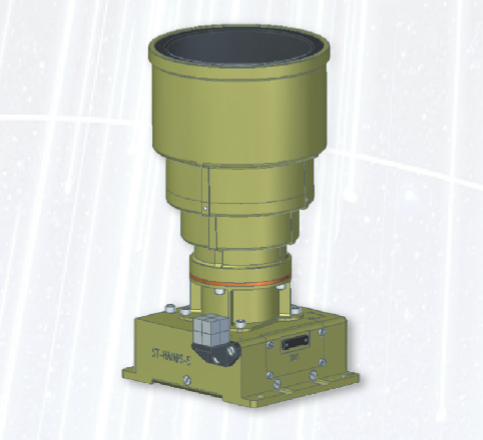
Long-Life Nano Star Sensor
The star sensor determines satellite attitude by capturing and recognizing stellar images.
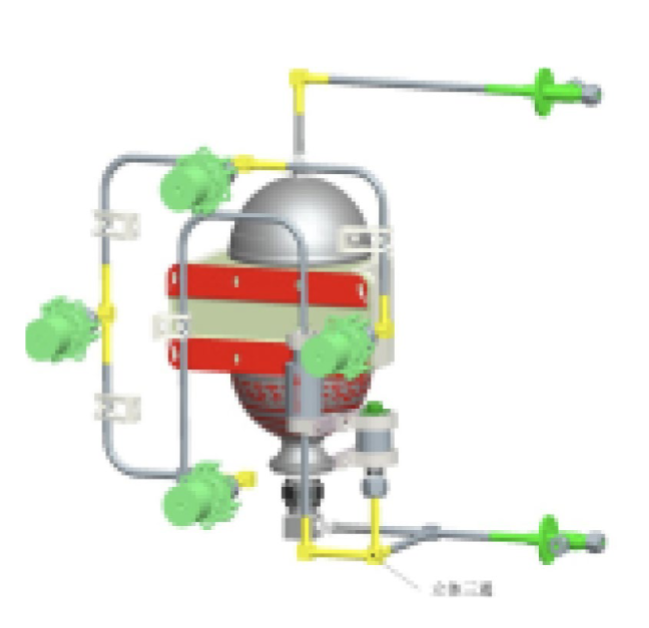
Micro-Nano Earth Sensor
The infrared Earth sensor is an attitude-sensitive device used in satellite attitude control systems.
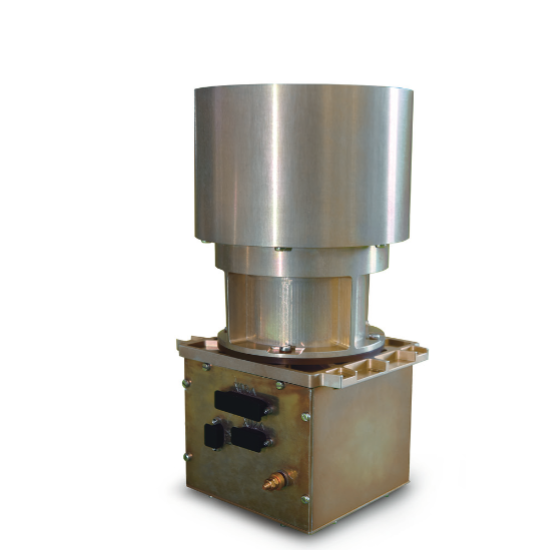
Micro Star Sensor
The star sensor determines satellite attitude by capturing and identifying star images.
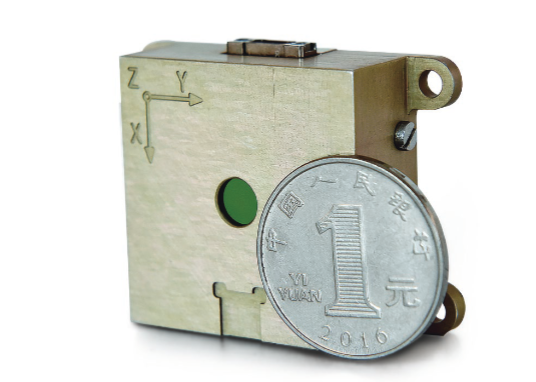
Monolithic Solar Sensor
The monolithic solar sensor uses an APS image sensor as the photoelectric conversion detector.
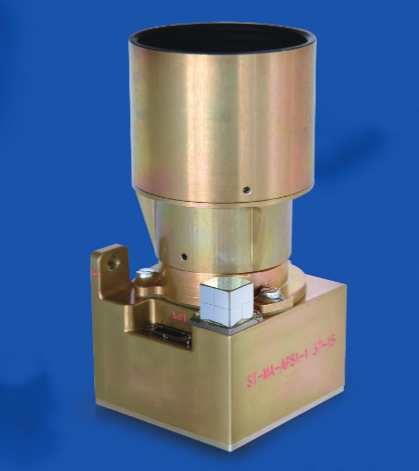
Nano Star Sensor
The star sensor determines satellite attitude by capturing and identifying stellar images.
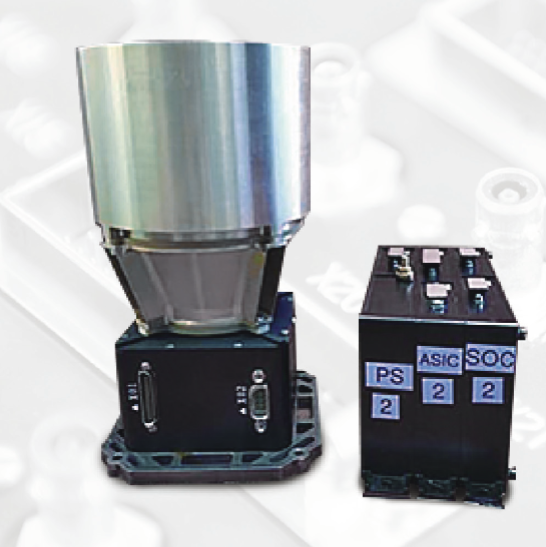
Split-Type Micro Star Sensor
The star sensor determines satellite attitude by capturing and identifying stellar images.
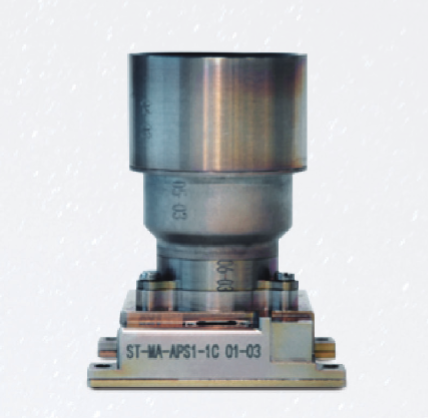
Ultra-Compact Star Sensor
This product is a fully autonomous star sensor designed for CubeSat applications.