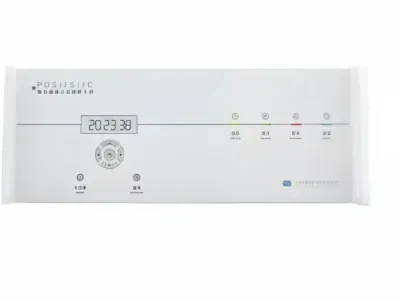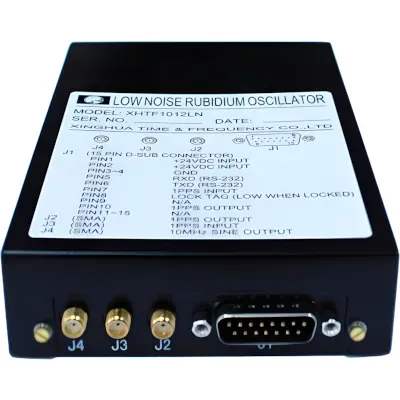
Visual Overview
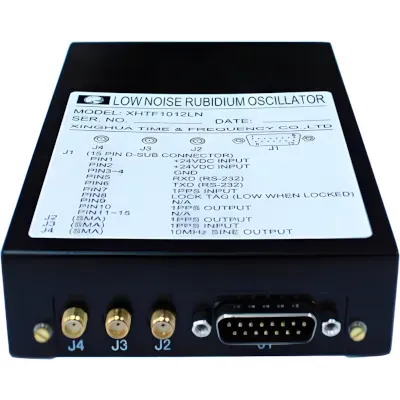

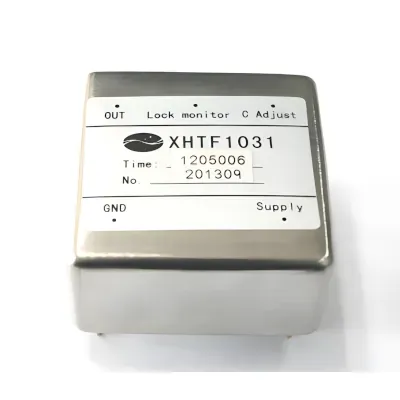
Technical Details
Comprehensive specifications and technical information
Overview
Rubidium atomic clocks are designed for applications requiring exceptional frequency accuracy and reliability. Their compact structure and low power consumption make them ideal for use in demanding environments, including aerospace, military vessels, and satellite navigation systems.
Products
Applications
-
Aerospace: Satellite navigation and space exploration.
-
Defense: Radar and military communication systems.
-
Telecommunications: Network synchronization and timing.
-
Power grids: Frequency stability for power system operations.
External Resources
For further technical specifications and usage guidance, visit the NIST Rubidium Atomic Clock Page.
For more information about our high-precision atomic clock solutions, or to discuss how these can enhance your projects, please contact us.
Frequently Asked Questions
Common questions about Rubidium Atomic Clocks
What are the advantages of rubidium atomic clocks?
Rubidium clocks combine a compact structure and low power consumption with exceptional frequency accuracy and reliability, delivering precise 10 MHz outputs suited to demanding environments such as aerospace, military vessels, and satellite navigation systems.
Where are rubidium atomic clocks used?
They are used in aerospace for satellite navigation and space exploration, in defense for radar and military communication systems, in telecommunications for network synchronization and timing, and in power grids for frequency stability.
Why choose rubidium over other atomic clock types?
Rubidium standards offer a favorable balance of accuracy, size, weight, and power compared with larger cesium standards, making them ideal where high reliability must fit into a compact, low-power platform.