Visual Overview
Technical Details
Comprehensive specifications and technical information
Overview
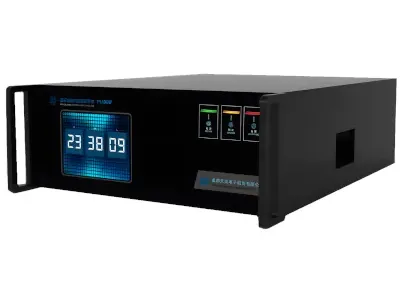
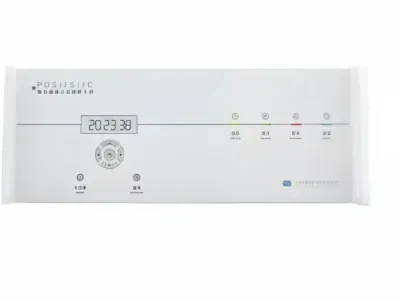
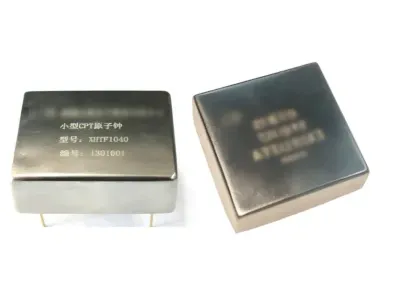
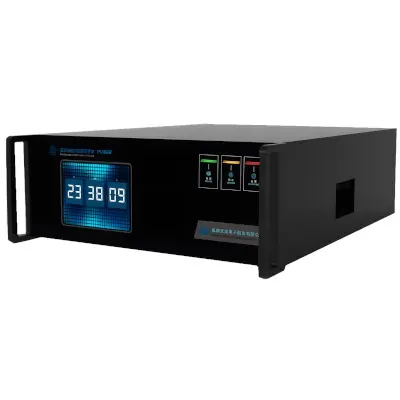
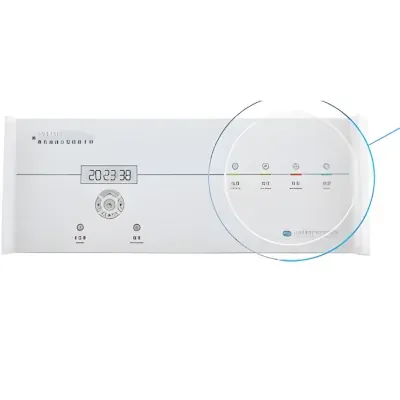
Cesium atomic clocks, powered by advanced optically-pumping techniques, represent the pinnacle of timekeeping technology. They offer unparalleled precision, reliability, and long service life, making them indispensable in industries requiring ultimate frequency accuracy.
Products
Applications
-
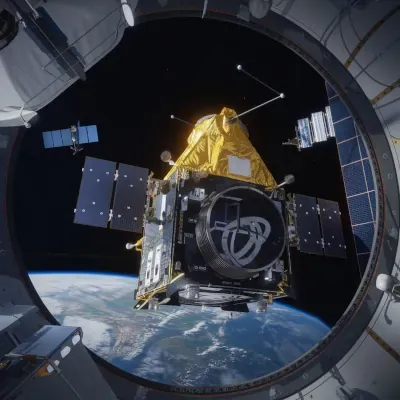
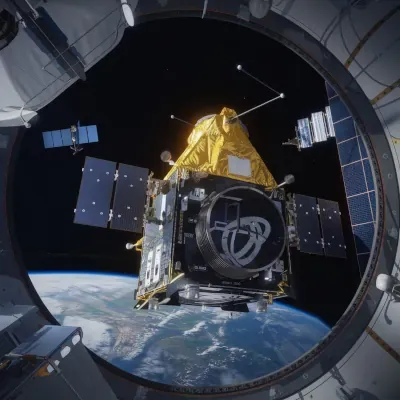
Satellite Navigation: Providing accurate timing signals for GPS and other systems.
-
Telecommunications: Ensuring precision in high-speed communication networks.
-
Power Grids: Synchronizing power distribution systems with high accuracy.
-
Scientific Research: Supporting advanced experiments requiring stable time references.
External Resources
For detailed information on cesium atomic clock technology, explore NPL’s Cesium Atomic Clock Overview.
To learn more about how cesium atomic clocks can enhance your applications or to discuss custom solutions, please contact us.
Frequently Asked Questions
Common questions about Cesium Atomic Clocks
What technology do these cesium atomic clocks use?
They use optically-pumping technology, which improves the signal-to-noise of the cesium-beam resonance to deliver high frequency accuracy, long-term stability, and long service life compared with traditional designs.
What applications rely on cesium atomic clocks?
They are used for satellite navigation, providing accurate timing signals for GPS and similar systems, for precision in high-speed telecommunications networks, for synchronizing power distribution grids, and for scientific research that requires stable time references.
Why choose a cesium clock over other frequency standards?
Cesium standards provide the highest level of frequency accuracy and long-term stability, making them the reference of choice for industries that require the ultimate in timekeeping precision and reliability.