Visual Overview
Technical Details
Comprehensive specifications and technical information
Overview
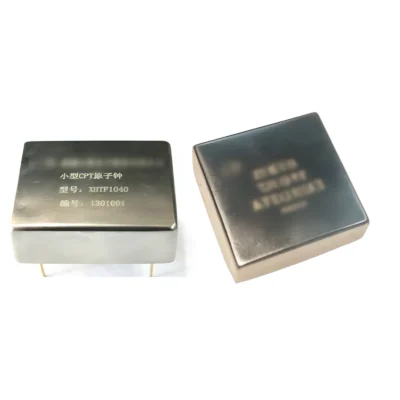
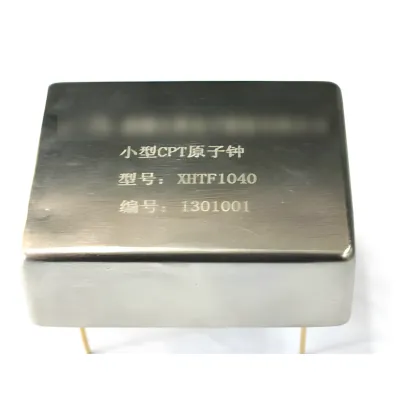
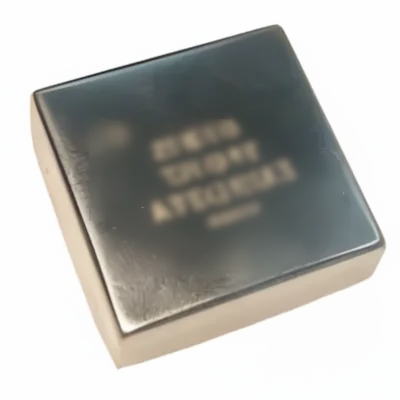
CPT atomic clocks, based on Coherent Population Trapping technology, offer a blend of compact structure, minimal power consumption, and exceptional frequency stability. These features make them indispensable for industries where precision and efficiency are paramount, such as satellite and underwater navigation, digital communication, and network synchronization.
Products
Applications
-
Satellite Navigation: Precise timing for satellite systems.
-
Underwater Systems: Reliable synchronization for underwater navigation.
-
Digital Communication: Ensuring accuracy in communication and data transmission.
-
Network Synchronization: Maintaining stability in high-speed data networks.
External Resources
Learn more about the innovative Coherent Population Trapping technology at ESA’s CPT Atomic Clock Technology Overview.
For details on how CPT atomic clocks can optimize your systems, or to discuss tailored solutions for your projects, please contact us.
Frequently Asked Questions
Common questions about CPT Atomic Clocks
How do CPT atomic clocks improve inter-satellite communication accuracy in constellations?
CPT atomic clocks enable highly accurate time synchronization across satellite constellations. This precise timing significantly reduces errors in signal processing, beamforming, and data correlation for inter-satellite links. The enhanced synchronization improves data throughput, reduces latency, and allows for more reliable communication, especially for applications like real-time Earth observation and global broadband services where precise timing is crucial for coherent data combination.
What applications require this atomic clock?
This atomic clock is essential for satellite navigation systems, deep space communications, scientific research, precision timing networks, and synchronization of distributed systems. It provides ultra-stable frequency references for critical space and ground applications.
How does this compare to other atomic clocks?
Our atomic clocks offer superior frequency stability, lower power consumption, compact size, and enhanced radiation tolerance compared to conventional designs. They maintain exceptional accuracy over extended mission durations in harsh space environments.
What is the expected operational lifetime?
The atomic clock is designed for 15+ years of continuous operation in space. It features redundant systems, radiation-hardened components, and proven reliability with extensive flight heritage on navigation satellites and deep space missions.
How is the clock synchronized and monitored?
The system includes comprehensive telemetry interfaces for real-time performance monitoring, remote diagnostics, and synchronization with ground stations. It supports standard timing protocols and provides detailed health status reporting.