Visual Overview
Technical Details
Comprehensive specifications and technical information
Cesium Atomic Clocks
Overview
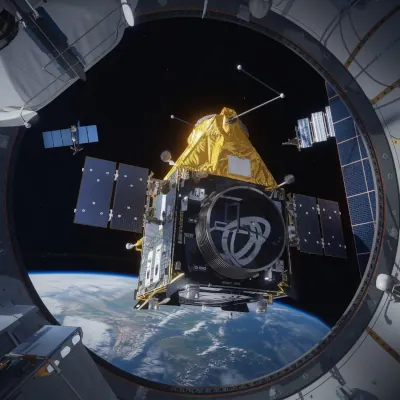
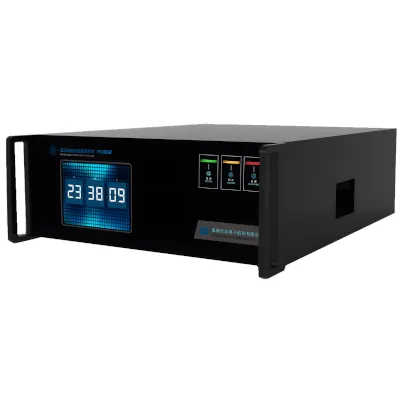
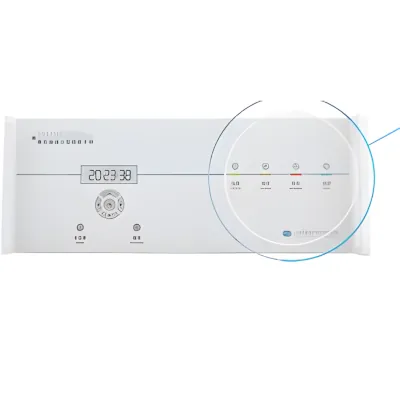
Cesium atomic clocks, powered by advanced optically-pumping techniques, represent the pinnacle of timekeeping technology. They offer unparalleled precision, reliability, and long service life, making them indispensable in industries requiring ultimate frequency accuracy.
Products
Applications
-
Satellite Navigation: Providing accurate timing signals for GPS and other systems.
-
Telecommunications: Ensuring precision in high-speed communication networks.
-
Power Grids: Synchronizing power distribution systems with high accuracy.
-
Scientific Research: Supporting advanced experiments requiring stable time references.
External Resources
For detailed information on cesium atomic clock technology, explore NPL’s Cesium Atomic Clock Overview.
To learn more about how cesium atomic clocks can enhance your applications or to discuss custom solutions, please contact us.
Frequently Asked Questions
Common questions about Cesium Atomic Clocks
What applications require this atomic clock?
This atomic clock is essential for satellite navigation systems, deep space communications, scientific research, precision timing networks, and synchronization of distributed systems. It provides ultra-stable frequency references for critical space and ground applications.
How does this compare to other atomic clocks?
Our atomic clocks offer superior frequency stability, lower power consumption, compact size, and enhanced radiation tolerance compared to conventional designs. They maintain exceptional accuracy over extended mission durations in harsh space environments.
What is the expected operational lifetime?
The atomic clock is designed for 15+ years of continuous operation in space. It features redundant systems, radiation-hardened components, and proven reliability with extensive flight heritage on navigation satellites and deep space missions.
How is the clock synchronized and monitored?
The system includes comprehensive telemetry interfaces for real-time performance monitoring, remote diagnostics, and synchronization with ground stations. It supports standard timing protocols and provides detailed health status reporting.
What environmental conditions can it withstand?
The atomic clock operates reliably in extreme temperatures (-40°C to +70°C), high radiation environments, and zero gravity. It meets stringent space qualification standards for vibration, shock, and electromagnetic compatibility.